
Pergolas and gazebos spend every day exposed to rain, humidity, pollen, leaves, bird droppings, algae, mildew, dirt, and sunlight.
Over time, this buildup can turn clean wood gray or green, leave dark stains around joints and fasteners, and make painted structures look dull or neglected.
Cleaning may seem simple, but outdoor structures are more complicated than a flat deck or fence.
A pergola can include vertical posts, overhead beams, rafters, lattice, decorative trim, metal brackets, lighting, painted sections, stained wood, and nearby plants. A gazebo may also include railings, screens, roofing, electrical fixtures, and painted or sealed surfaces.
Using one cleaner and one pressure setting across the entire structure can cause more damage than the dirt itself.
The safest pergola cleaning method starts with identifying the material and finish, inspecting the structure, choosing the correct cleaner, and using the least aggressive rinsing method that will remove the buildup.
This guide explains how to clean a pergola or gazebo without damaging wood fibers, paint, stain, sealers, hardware, or nearby landscaping.
Quick Answer
The safest way to clean a pergola or gazebo is to begin with a garden hose, mild cleaner, and nonmetallic brush.
Remove loose debris first. Protect plants and electrical fixtures. Apply a cleaner that is compatible with the wood or paint. Allow the cleaner enough time to loosen dirt and organic growth, gently brush stubborn areas, and rinse thoroughly.
Pressure washing should not be the first choice for delicate wood or painted surfaces.
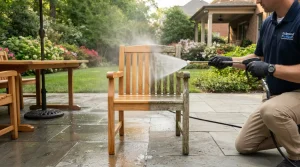
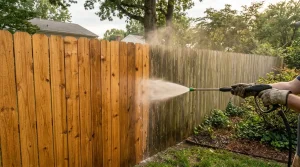
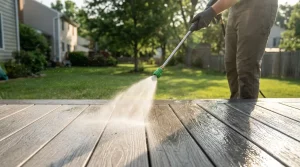
If pressure washing is appropriate for the structure, use a wide fan spray, begin at a safe distance, test a hidden area, keep the nozzle moving, and work with the wood grain.
Do not use maximum pressure to remove stubborn stains.
The cleaner should do most of the work.
Why Pergolas and Gazebos Need a Gentle Cleaning Method
A pergola or gazebo is not one simple surface.
The structure may combine different materials and finishes within a few feet of each other.
For example, a wood gazebo may have painted posts, stained railings, metal fasteners, vinyl screens, asphalt shingles, and a concrete floor.
A pergola may have cedar posts, pressure treated beams, painted trim, composite shade slats, electrical lighting, and climbing plants.
Each material responds differently to cleaning chemicals and water pressure.
Aggressive washing can cause wood fibers to become rough, paint to peel, stain to fade, water to enter electrical fixtures, and metal fasteners to begin corroding.
The goal is therefore not to use the strongest cleaning method.
The goal is to match the cleaning process to the material.
Identify the Pergola or Gazebo Material Before Cleaning
Before applying cleaner or turning on a pressure washer, determine what the structure is made from.
Cedar
Cedar is commonly used for pergolas because it naturally performs well outdoors.
However, cedar is still a softwood.
Aggressive pressure can raise the grain, create fuzzy fibers, or leave visible wand marks.
Cedar can also develop mildew, algae, tannin discoloration, water stains, and iron stains around inappropriate fasteners.
Pressure Treated Pine
Pressure treated pine is another common outdoor construction material.
It can develop green algae, gray weathering, dark mildew staining, and surface dirt.
Older weathered pine may have soft surface fibers that are easily damaged by excessive pressure.
Redwood
Redwood requires a gentle cleaning approach similar to cedar.
Strong pressure can roughen the surface and remove weathered fibers unevenly.
Use wood safe cleaners and controlled rinsing.
Hardwood
Some pergolas use hardwood species.
Dense hardwood can be more resistant to mechanical wear than softwood, but strong cleaners and pressure can still alter the appearance or strip protective oils.
Follow the wood supplier or finish manufacturer recommendations.
Painted Wood
Painted pergolas and gazebos require extra care because the paint may fail before the underlying wood does.
Aggressive pressure can lift paint from edges, joints, cracks, and previously weakened areas.
If paint is already peeling or blistering, the structure may need repainting rather than aggressive washing.
Stained Wood
Stain can fade or lift when exposed to harsh cleaners or excessive pressure.
Some stains penetrate deeply into the wood while others behave more like a film on the surface.
Determine the condition of the existing stain before cleaning.
Vinyl
Vinyl pergolas can usually be cleaned with mild detergent, soft brushing, and a garden hose.
Avoid aggressive pressure around joints and decorative components.
Composite Materials
Composite pergola components should be cleaned according to the material manufacturer.
Composite products can have protective surface caps that may be damaged by aggressive pressure or unsuitable chemicals.
Aluminum and Metal
Metal pergolas require different cleaning methods from wood.
Mild soap and water are often enough for routine maintenance.
Abrasive cleaners and brushes can scratch painted or powder coated finishes.
Rust or corrosion should be treated according to the metal and coating rather than attacked with stronger pressure.
Pergola and Gazebo Cleaning Guide by Surface Type
Different materials should not be cleaned with the same method.
Unfinished Wood
Start with a wood safe cleaner, nonmetallic brush, and controlled rinse.
If pressure washing is necessary, use the least aggressive pressure that will complete the rinse without raising the wood fibers.
Stained Wood
Use a cleaner that is compatible with the existing stain.
Avoid unnecessarily strong detergents and aggressive pressure that can create uneven color.
Test the process first.
Painted Wood
Use mild soap or a cleaner approved for exterior painted surfaces.
Clean gently with a soft or medium synthetic brush.
Rinse with a garden hose or controlled low pressure.
Do not try to pressure wash peeling paint back into good condition.
Cedar
Mild nonphosphate detergent is suitable for general dirt.
For mildew, an oxygen based wood cleaner or commercial mildew remover may be appropriate.
Avoid aggressive pressure and metal brushes.
Vinyl Pergolas
Use mild soap, water, and a soft brush.
Rinse thoroughly.
Pay attention to joints and decorative trim where dirt and algae collect.
Composite Pergolas
Check the manufacturers care instructions.
Use compatible cleaners and avoid treating composite material exactly like raw wood.
Metal Pergolas
Use mild detergent and a soft cloth or brush.
Avoid abrasive pads on powder coated surfaces.
Inspect scratches and corrosion separately.
What Is the Best Cleaner for a Pergola or Gazebo
There is no universal cleaner for every outdoor structure.
The right product depends on the material, finish, and type of contamination.
Mild Soap and Water
Mild soap and water are the safest starting point for routine dust, pollen, light dirt, and painted surfaces.
This approach works particularly well for structures that are regularly maintained and do not have heavy biological growth.
Exterior Wood Cleaner
A cleaner designed for exterior wood can help remove embedded dirt and weathered organic buildup.
Use a product compatible with the specific wood and existing finish.
Oxygen Based Wood Cleaner
Oxygen based wood cleaners are useful for algae, mildew, and organic staining on many unfinished or stained wood surfaces.
These cleaners often contain sodium percarbonate.
They can loosen organic buildup so less brushing and pressure are required.
Commercial Mildew Remover
Heavy mildew staining may require a product specifically designed to address mildew.
Confirm that the product is suitable for the wood or coating.
Bleach Based Cleaner
Some exterior cleaning situations may use a diluted sodium hypochlorite based product.
However, bleach based cleaners should be used carefully around wood finishes, metal hardware, fabrics, electrical components, and landscaping.
Always follow the product label.
Never mix chlorine bleach with ammonia.
Never mix chlorine bleach with acids.
Wood Brightener
Wood brighteners are often based on oxalic acid.
They are not general purpose cleaners.
They may be useful after cleaning certain unfinished or weathered woods when the goal is to reduce tannin, water, or iron related discoloration and restore a more natural wood tone.
Follow the product instructions carefully.
How to Clean a Pergola or Gazebo Step by Step
A controlled cleaning process protects both the structure and the finish.
Step One Inspect the Structure
Before cleaning, walk around the entire pergola or gazebo.
Look at posts, beams, rafters, railings, lattice, brackets, and joints.
Check for soft wood, rot, loose fasteners, cracked boards, peeling paint, failing stain, damaged trim, and unstable components.
Do not aggressively wash structurally weak areas.
Cleaning can remove dirt.
It cannot repair rotten wood.
Step Two Identify the Finish
Determine whether the structure is unfinished, stained, sealed, or painted.
This changes which cleaner and rinsing method should be used.
If you do not know what coating is present, begin conservatively and test a hidden area.
Step Three Check Electrical Fixtures
Many pergolas and gazebos contain lights, fans, outlets, heaters, speakers, or extension wiring.
Turn off power to affected fixtures when appropriate and protect electrical components from direct spray.
Do not direct water into outlets, light housings, switches, fan motors, or wiring connections.
Step Four Remove Furniture and Decorations
Move furniture, cushions, curtains, rugs, hanging decorations, grills, planters, and other movable items.
This prevents cleaner from reaching materials that may not tolerate it and gives you better access to posts and lower sections.
Step Five Protect Plants
Pergolas are often surrounded by landscaping.
Pre wet nearby shrubs, flowers, grass, and vines when the cleaner instructions recommend it.
Move potted plants away from the work area.
Control runoff during cleaning and rinse vegetation afterward when necessary.
Step Six Remove Loose Debris
Use a broom, soft brush, or leaf blower to remove cobwebs, leaves, pollen, dust, and loose dirt.
Pay special attention to horizontal beams and rafter tops.
These areas collect leaves and organic material that may remain wet after rain.
Step Seven Pre Rinse if Appropriate
A garden hose can remove loose dirt and cool a hot surface.
However, some cleaners are designed for dry application.
Follow the cleaner instructions.
Avoid working on very hot surfaces in direct sun when the cleaner may dry too quickly.
Step Eight Apply the Cleaner
Apply the appropriate cleaner evenly.
Work in sections rather than coating the entire structure at once.
Start with overhead components when practical so dirty runoff does not repeatedly fall over areas you have already cleaned.
Allow the cleaner to reach joints, decorative trim, lattice, post bases, and shaded areas where biological growth is concentrated.
Step Nine Allow Proper Contact Time
Give the cleaner enough time to loosen dirt and organic buildup.
Follow the product label.
Do not rinse the cleaner immediately unless directed.
Do not allow it to dry on the surface unless the instructions specifically permit it.
Step Ten Gently Brush Stubborn Areas
Use a synthetic or nonmetallic brush.
Brush along the wood grain.
Avoid metal wire brushes because they can scratch wood and leave metal particles that may contribute to staining.
Use a smaller brush for corners, lattice, carvings, and decorative details.
Step Eleven Rinse From Top to Bottom
Rinse the overhead beams first and work downward.
This prevents dirty rinse water from repeatedly flowing over finished sections.
Use a garden hose whenever it provides enough cleaning force.
If controlled pressure washing is appropriate, use a wide fan spray and keep the pressure conservative.
Step Twelve Inspect the Structure After Drying
Allow the structure to dry fully before judging the finished result.
Wet wood can temporarily hide uneven cleaning, remaining stains, raised fibers, and coating damage.
Once dry, inspect the surface again and treat remaining stains individually rather than increasing pressure across the entire structure.
Can You Pressure Wash a Pergola
Sometimes.
Whether a pergola can be pressure washed depends on the material, condition, age, and finish.
Sound unfinished wood may tolerate controlled pressure.
Old cedar, weathered pine, peeling paint, thin lattice, decorative trim, and damaged wood require far more caution.
A pressure washer should not be treated as the default cleaning tool.
For many pergolas, cleaner, brush agitation, and a garden hose are enough.
Can You Pressure Wash a Gazebo
The same principle applies to gazebos.
A wood gazebo may tolerate controlled washing on some structural components, while painted trim, screens, roofing, electrical fixtures, and decorative elements may not.
Evaluate each part separately.
Do not spray one pressure setting across the entire gazebo.
What Pressure Should You Use on a Wood Pergola
There is no universal PSI that should be applied to every wooden pergola.
Wood species, age, surface condition, moisture content, finish, nozzle type, distance, and operator technique all affect the amount of force that reaches the surface.
The safest approach is to begin with cleaning solution and a garden hose.
If pressure washing is necessary, use the lowest effective pressure with a wide fan spray and test a hidden area first.
If the wood begins to look fuzzy, grooved, or unusually light, the cleaning method is too aggressive.
What Nozzle Should You Use on a Wood Pergola
Use a wide fan spray.
A concentrated jet focuses too much water force into a small area.
When cleaning wood with a pressure washer, keep the nozzle moving and maintain a consistent distance.
Work with the grain rather than repeatedly crossing it.
Avoid zero degree nozzles and aggressive concentrated spray patterns on wood.
How Far Should You Hold a Pressure Washer From a Pergola
Start farther away from the wood.
Test an inconspicuous area before cleaning a large visible section.
Move closer only if necessary and only if the surface remains unaffected.
Nozzle distance has a major impact on cleaning force.
Even moderate machine pressure can damage wood if the nozzle is held too close.
Signs You Are Damaging the Wood
Stop cleaning if you notice fuzzy fibers.
This is a sign that water pressure or aggressive brushing is removing the soft surface wood.
Other warning signs include grooves, splinters, raised grain, obvious wand marks, uneven light areas, damaged edges, and rough surface patches.
If these problems appear, do not continue with the same pressure.
How to Clean a Painted Pergola
Painted wood should be cleaned gently.
Start with soapy water or a cleaner approved for exterior painted surfaces.
Use a synthetic brush to loosen dirt and mildew.
Rinse using a garden hose or controlled low pressure.
Inspect the paint while cleaning.
If it is already peeling, blistering, cracking, or flaking, aggressive washing can remove even more coating.
Loose paint should be addressed as part of repainting preparation.
How to Clean a Painted Gazebo
The same method applies to a painted gazebo.
Pay additional attention to railings, spindles, decorative trim, doors, and ceiling sections because these areas often have thin paint edges that can lift under strong pressure.
Do not direct water into electrical fixtures or behind decorative panels.
Once the gazebo dries, inspect the paint for areas that need scraping, sanding, priming, or repainting.
How to Clean a Stained Wood Pergola
A stained pergola needs enough cleaning to remove dirt without unnecessarily stripping the finish.
Begin with a stain compatible wood cleaner.
Use gentle brushing and controlled rinsing.
If the stain is already faded or worn, cleaning may reveal that refinishing is necessary.
Do not assume that color loss after cleaning means the cleaner damaged good stain.
Sometimes dirt was hiding an already weathered finish.
How to Clean a Cedar Pergola
Cedar benefits from gentle cleaning.
For ordinary dirt, mild nonphosphate detergent and water may be enough.
For mildew and biological staining, oxygen based cleaner or a commercial mildew remover can be used when appropriate.
Use a nonmetallic brush.
Rinse thoroughly and allow the cedar to dry.
Aggressive scrubbing and strong pressure can create a rough unnatural looking surface.
How to Remove Green Algae From a Pergola or Gazebo
Green algae commonly develops on shaded wood that remains damp.
Start by removing loose debris.
Apply a cleaner that is compatible with the surface and intended for organic growth.
Allow proper contact time.
Brush stubborn areas gently.
Rinse thoroughly.
Do not try to remove algae only by moving a pressure washer nozzle closer to the surface.
Correct chemistry allows the growth to be removed with less mechanical force.
How to Remove Mold and Mildew From a Pergola
Mildew often appears as black, gray, or dark staining on wood and painted finishes.
Use a mildew cleaner that is compatible with the material.
Cedar care guidance commonly recommends oxygen based bleach or a commercial mildew remover.
Rinse the surface completely after cleaning.
Allow the structure to dry before applying new stain or paint.
Do not simply paint over mildew.
The contamination should be removed first.
How to Remove Pollen From a Pergola
Pollen can coat overhead beams, rafters, and decorative surfaces during spring.
Dry sweeping may spread fine pollen through the area.
A gentle hose rinse followed by mild detergent can usually remove heavy pollen.
Pay attention to horizontal beam tops where pollen mixes with rain and becomes sticky.
Regular light cleaning prevents it from turning into more stubborn grime.
How to Remove Bird Droppings
Bird droppings often collect on pergola beams and gazebo railings.
Do not aggressively scrape dried deposits because this can scratch paint or wood.
Soften the area with water and use a mild cleaner.
Allow the residue to loosen before wiping or brushing it away.
Rinse the section thoroughly afterward.
Wear appropriate gloves during cleanup.
How to Remove Tannin and Water Stains
Wood can develop discoloration that ordinary soap does not remove.
Cedar in particular contains natural extractives that may create brown or dark staining when moisture moves through the wood.
Water staining and tannin discoloration should first be investigated for a moisture source.
If mild detergent does not remove the stain, an appropriate wood brightener or oxalic acid based product may help on compatible unfinished wood.
Do not treat painted surfaces with acid based products without confirming compatibility.
How to Remove Rust and Iron Stains
Metal fasteners, furniture, brackets, and hardware can create rust staining.
Cedar may also develop blue black discoloration when iron contacts natural wood extractives.
Do not try to remove these stains with stronger pressure.
Use a cleaner appropriate for the wood and stain.
If fasteners are actively corroding, cleaning the stain without correcting the hardware problem will only provide temporary improvement.
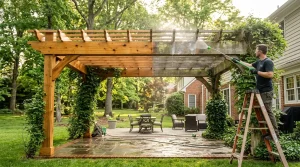
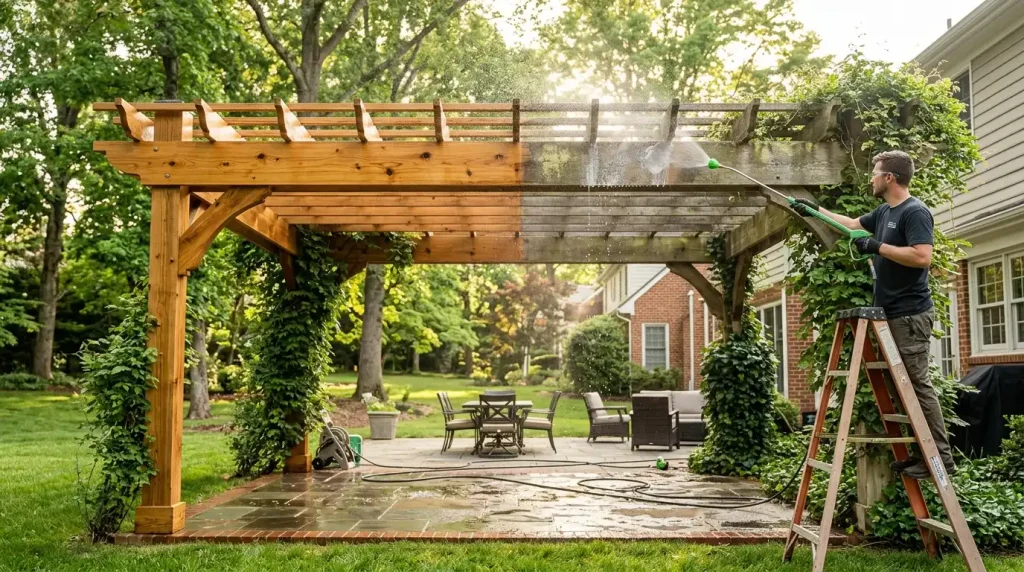
How to Clean Pergola Rafters and Overhead Beams
Overhead components are often the dirtiest parts of a pergola because leaves, pollen, water, and bird debris collect on them.
Clean these sections before the posts and lower components.
Use stable access equipment when necessary.
Do not overreach from a ladder while holding a pressure washer wand.
A long handled soft brush can often clean overhead areas more safely than trying to use high pressure from an awkward angle.
How to Clean Pergola Lattice
Lattice and decorative screens are more delicate than structural posts and beams.
Use mild cleaner and gentle brushing.
A concentrated pressure washer stream can crack thin pieces, loosen fasteners, or leave uneven marks.
Rinse carefully and inspect the attachment points after cleaning.
How to Clean Around Metal Brackets and Fasteners
Pergolas frequently use exposed metal brackets, bolts, and screws.
Avoid leaving strong cleaning solution sitting on metal hardware longer than necessary.
Rinse brackets thoroughly.
Watch for rust streaks after drying.
If corrosion is developing, determine whether the hardware needs replacement or protective treatment.
How to Clean Around Outdoor Lights and Fans
Do not spray directly into lighting fixtures, fans, electrical outlets, speakers, heaters, or wiring connections.
Turn off electrical power where appropriate before cleaning nearby.
Use a damp cloth or manufacturer approved cleaning method around sensitive fixtures instead of treating them like ordinary exterior wood.
Should You Remove Climbing Plants Before Cleaning
Pergolas often support vines such as wisteria, jasmine, roses, or grapevines.
Heavy plant growth can make cleaning difficult and may keep wood damp.
Do not soak valuable plants with cleaning solution.
Prune or temporarily move vines where practical.
If the structure is heavily covered, cleaning may need to be done in smaller sections to protect the vegetation.
Should You Use Bleach on a Wood Pergola
Bleach based cleaning products may remove biological staining, but they are not automatically the best option for every wood surface.
Strong chlorine bleach can affect the wood appearance and surrounding plants.
Oxygen based wood cleaners are often a gentler option for mildew and organic buildup on suitable exterior wood.
If chlorine bleach is used, follow the product instructions carefully.
Never mix bleach with ammonia.
Never mix bleach with acids.
Can You Use Vinegar on a Pergola
Do not treat vinegar as a universal exterior cleaner.
Acidic solutions may affect certain finishes, metals, and surrounding materials.
For routine wood cleaning, a wood specific cleaner or mild detergent is generally a more predictable choice.
If you are treating a specific stain, use a product designed for that problem.
Should You Use a Surface Cleaner on a Pergola
No.
Pressure washing surface cleaners are designed mainly for horizontal surfaces such as concrete.
They are not appropriate for pergola beams, posts, railings, lattice, or decorative wood.
Use controlled hand cleaning or a fan spray when pressure washing is suitable.
How Long Should a Pergola Dry After Cleaning
Drying time depends on temperature, humidity, shade, airflow, wood thickness, and how heavily the structure was saturated.
The wood should be fully dry before stain, sealer, or paint is applied.
Do not rely only on the surface feeling dry.
Moisture can remain inside the wood after the exterior appears dry.
Coating manufacturers may have specific drying or moisture requirements.
Follow the instructions for the product you plan to apply.
Can You Stain a Pergola After Cleaning
Yes.
Cleaning is an important part of preparing a pergola for stain.
The surface should be free of dirt, mildew, loose fibers, and failing finish.
After cleaning, allow the wood to dry completely.
Weathered wood may also need additional preparation before staining.
Follow the stain manufacturers preparation requirements.
Can You Paint a Pergola After Cleaning
Yes, but only after the surface is clean, sound, and dry.
Remove loose or peeling paint.
Sand rough edges where necessary.
Prime bare wood if required by the paint system.
Cleaning is not a replacement for proper paint preparation.
A clean structure with failing paint still needs scraping and repair before new coating is applied.
How Often Should a Pergola or Gazebo Be Cleaned
There is no universal cleaning schedule.
Structures under mature trees or in heavy shade may need more frequent cleaning than pergolas in open sunny locations.
Inspect the structure at least seasonally.
Look for algae, mildew, pollen, bird droppings, leaf debris, dark staining, and dirt around joints.
Regular light cleaning is easier on the structure than waiting for years of buildup.
How to Keep a Pergola Cleaner Longer
Cleaning removes existing contamination.
Maintenance helps slow its return.
Remove Leaves From Overhead Beams
Do not allow wet leaves to sit on rafters or beam tops.
They trap moisture and can create organic staining.
Trim Nearby Vegetation
Improve airflow around posts and beams.
Dense vegetation can keep wood shaded and wet.
Redirect Sprinklers
Avoid repeatedly spraying the structure with irrigation water.
Improve Drainage Around Posts
Standing water near wood posts can contribute to moisture problems.
Make sure the surrounding area drains properly.
Inspect Gutters and Roof Runoff
If the pergola is attached to a house, make sure roof drainage is not constantly wetting one section.
Maintain Paint and Stain
Protective finishes work best when maintained before complete failure.
Inspect the coating after cleaning.
Address Hardware Corrosion
Rusting fasteners can create stains and eventually weaken connections.
Replace inappropriate or failing hardware when necessary.
Common Pergola and Gazebo Cleaning Mistakes
Using Too Much Pressure
Wood and paint can be damaged very quickly.
More pressure is not the same as better cleaning.
Cleaning Every Material the Same Way
Wood, vinyl, composite, paint, and metal all require different methods.
Holding the Nozzle Too Close
Reducing nozzle distance dramatically increases the force reaching the surface.
Using a Narrow Spray Pattern
Concentrated water can gouge wood and lift paint.
Ignoring Overhead Surfaces
Rafter tops and beams often hold the most debris and moisture.
Using a Wire Brush
Metal brushes can damage wood and contribute to iron staining.
Painting Over Mildew
New paint does not fix biological contamination underneath it.
Clean and prepare the surface first.
Staining Wet Wood
Allow the structure to dry completely before coating.
Letting Cleaner Dry
Work in manageable sections so cleaning solution can be rinsed before drying on the surface.
Forgetting Electrical Fixtures
Water and exterior electrical components require careful separation.
Ignoring Rotten Wood
Do not use aggressive washing on structurally weakened posts or beams.
Repair comes before cleaning.
Why Pergolas and Gazebos Get Dirty in Richmond Virginia
Outdoor structures in Richmond experience conditions that encourage surface buildup throughout the year.
Spring pollen settles on overhead beams and rafters.
Warm humid weather can keep shaded wood damp.
Summer storms leave dirt and organic debris behind.
Mature trees create shade and drop leaves onto pergolas and gazebos.
Fall leaf buildup can trap moisture on horizontal wood surfaces.
Structures in Richmond, Midlothian, Glen Allen, Short Pump, and surrounding communities may therefore develop green algae, mildew, pollen staining, and general weathering at different rates depending on tree cover and sunlight.
A pergola in an open sunny yard may stay clean much longer than one built beneath a dense tree canopy.
Professional Pergola and Gazebo Cleaning in Richmond Virginia
Cleaning a pergola or gazebo safely requires more than choosing a pressure washer setting.
The structure should first be inspected for material, finish, age, existing damage, electrical fixtures, hardware, and surrounding landscaping.
Jacobsons Power Washing provides exterior surface cleaning throughout Richmond Virginia and nearby communities.
Wood, painted surfaces, composite materials, concrete, and other exterior materials are cleaned using methods selected for the surface rather than applying the same pressure everywhere.
For pergolas and gazebos, a gentle cleaner first approach can remove pollen, algae, mildew, dirt, and other buildup while reducing the risk of damaging wood fibers or paint.
Professional cleaning can be particularly useful when the structure is older, heavily stained, painted, difficult to reach, or made from several different materials.
Frequently Asked Questions
What Is the Best Way to Clean a Pergola
Start by removing loose debris and identifying the material and finish.
Apply a compatible cleaner, allow proper contact time, gently brush stubborn areas, and rinse thoroughly.
Use a garden hose whenever possible and reserve pressure washing for surfaces that can safely tolerate it.
Can You Pressure Wash a Wooden Pergola
Sometimes.
Sound wood may tolerate controlled pressure washing, but old, weathered, soft, painted, or damaged wood requires more caution.
Use a wide fan spray, test first, and use the lowest effective pressure.
Can You Pressure Wash a Gazebo
Some gazebo components can be pressure washed carefully, but the structure may also contain paint, screens, roofing, electrical fixtures, and decorative trim.
Evaluate each material individually.
How Do You Clean a Pergola Without a Pressure Washer
Use a wood safe cleaner, garden hose, and synthetic brush.
Cleaner and gentle agitation can remove most dirt and organic growth without high pressure.
How Do You Clean a Painted Pergola
Use mild soap or a cleaner compatible with exterior paint.
Brush gently and rinse with a garden hose or controlled low pressure.
Do not aggressively wash peeling or damaged paint.
What Cleaner Is Best for a Wooden Pergola
For routine dirt, mild nonphosphate detergent is a good starting point.
For algae and mildew, an oxygen based wood cleaner or commercial mildew remover may be appropriate.
Always confirm compatibility with the wood and existing finish.
How Do You Remove Green Algae From a Pergola
Apply a cleaner designed for organic growth, allow proper dwell time, gently brush stubborn areas, and rinse thoroughly.
Avoid trying to remove algae by increasing water pressure.
How Do You Remove Mildew From Cedar
Use a compatible commercial mildew remover or oxygen based cleaning solution.
Rinse the cedar thoroughly and allow it to dry completely before refinishing.
Can You Use Bleach on a Pergola
Bleach based products may be suitable in certain situations, but strong chlorine bleach can affect wood appearance, finishes, landscaping, and hardware.
Follow the cleaner instructions and never mix bleach with ammonia or acids.
How Often Should You Clean a Pergola
Cleaning frequency depends on tree cover, shade, humidity, pollen, and exposure.
Inspect the structure seasonally and clean it when biological growth or heavy dirt becomes visible.
Should You Stain a Pergola After Cleaning
Stain can be applied after cleaning when the wood is fully dry and properly prepared.
Follow the stain manufacturers surface preparation and moisture requirements.
Can You Paint Over Mildew on a Gazebo
No.
Mildew should be cleaned and removed before painting.
Painting over contamination can contribute to poor coating appearance and premature failure.
Why Is My Pergola Turning Green
Green growth usually develops where wood stays damp and shaded.
Trees, vines, sprinklers, poor airflow, humidity, and wet leaves can all contribute.
Why Is My Cedar Pergola Turning Black
Dark staining may be caused by mildew, dirt, water related extractive staining, or iron reacting with cedar extractives.
Identify the cause before choosing a cleaner.
How Long Should a Pergola Dry Before Staining
Drying time varies with weather and the coating being used.
The wood should be fully dry and meet the stain manufacturers moisture requirements before coating.
Final Thoughts
Learning how to clean a pergola or gazebo without damaging wood or paint begins with identifying what you are cleaning.
Unfinished wood, cedar, stained lumber, painted surfaces, vinyl, composite material, and metal should not all receive the same treatment.
For routine pergola cleaning, mild cleaner, gentle brushing, and a garden hose are often enough.
When algae or mildew is present, use a cleaner designed for the surface and allow the cleaning chemistry to do most of the work.
If pressure washing is necessary, keep the method conservative.
Use a wide fan spray, begin farther from the surface, test a hidden area, keep the wand moving, and avoid using pressure as a substitute for the correct cleaner.
Painted structures deserve additional caution.
If paint is already peeling, blistering, or cracking, cleaning should be followed by proper surface preparation rather than stronger washing.
After cleaning, allow wood to dry completely before applying stain, sealer, or paint.
For homeowners in Richmond Virginia, Jacobsons Power Washing provides professional exterior surface cleaning for outdoor living areas and other residential surfaces.
The cleaning process is adjusted for wood, paint, composite materials, and other finishes so buildup can be removed without unnecessary damage.
Contact Jacobsons Power Washing to request a free quote for pergola, gazebo, and exterior surface cleaning in Richmond Virginia and surrounding areas.