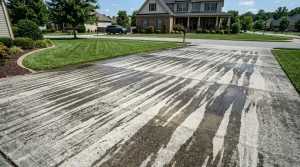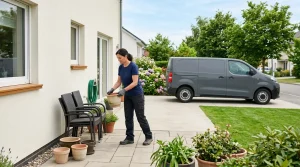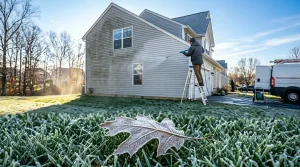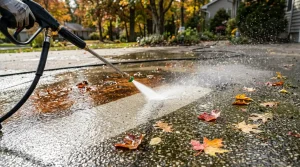

Exterior cleaning is one of the regular line items every HOA budget includes, and one of the line items most boards spend the least time thinking carefully about. A community of any size townhomes, condos, single-family neighborhoods with common areas, mixed-use developments accumulates exterior cleaning needs that, if left unaddressed, drive down property values across the entire association. Most boards either over-pay for reactive cleaning when problems become visible, or under-buy for preventive cleaning that would protect the property at lower cost. This guide is for HOA boards and community association property managers across Richmond looking to do the cleaning side of their job better. For the full commercial cleaning service breakdown, see our Richmond commercial pressure washing page.
The short version: HOA exterior cleaning is best handled as a scheduled annual program with a single insured vendor, not as a sequence of one-off cleanings triggered by complaints. The scheduled-program approach costs less per year, preserves community surfaces longer, and reduces the operational burden on boards and property managers. Getting it right requires understanding what surfaces actually need cleaning, how to structure the contract, and how to evaluate vendors competently.
The Surfaces HOA Boards Are Actually Responsible For
HOA scope varies dramatically by community type, but most associations are responsible for some combination of:
- Common-area sidewalks and walkways. The hardscape connecting amenities, mailboxes, and entry points. Heavy traffic, gum, food spills, and seasonal staining all accumulate.
- Clubhouse exterior and pool deck. The community face of the association. Clubhouse facades, pool concrete, surrounding landscape walls, signage, and amenity fences all need scheduled attention.
- Entrance signage and monuments. The first thing every visitor sees. Brick monument signs, stone entrance walls, and signage backing all need annual or more frequent cleaning to look maintained rather than neglected.
- Mailbox cluster structures. The aluminum and brick of community mailbox kiosks gets weathered, stained, and dingy quickly. These are some of the highest-visibility surfaces in any community.
- Perimeter fencing and retaining walls. Wood, vinyl, and masonry boundary structures that signal the edge of the community. Mildew, algae, and grime accumulate especially on shaded sections.
- Trash compactor areas and dumpster pads. The least visible but most odor-producing surfaces. Quarterly or monthly cleaning prevents leachate buildup and odor complaints.
Townhouse and condo associations have additional responsibilities building facades, common-area decks, garage doors, building entrances that single-family HOAs don’t share. The right cleaning program is built around the specific surface mix the association is responsible for.
Per-Visit vs. Annual Contract Structures
HOA boards typically encounter two contracting models: per-visit pricing (you call when you need a cleaning, you get a quote, you pay) and annual program pricing (a yearly contract with scheduled visits at a locked rate). Both have their place, but for most HOAs, the annual program approach is dramatically better.
| Factor | Per-Visit | Annual Program |
| Cost per visit | Higher (no volume discount) | Lower (program pricing) |
| Total annual cost | Variable — often higher | Predictable budget line |
| Surface preservation | Worse — gaps between cleanings | Better — consistent intervals |
| Board burden | Approve each cleaning separately | One annual approval |
| Vendor relationship | Transactional | Continuity, accountability |
| Emergency response | Slow — no priority | Fast — existing client priority |
The annual program approach also fits how reserve studies are typically structured. Most HOA reserve studies treat exterior cleaning as a recurring annual expense predictable, budgeted in advance, locked into the operating budget rather than the reserve fund. Vendors who can provide written annual proposals make this budgeting easier for the property manager.
Insurance Requirements Your Board Should Verify
This is the single most important vendor evaluation criterion, and the one most boards under-emphasize. An uninsured cleaning contractor causing damage at your property exposes the association to liability that should never reach the board’s bylaws review. Here’s what to verify on every commercial cleaning vendor before signing:
- $1M+ general liability minimum, $2M preferred. This is the baseline coverage that protects the association from third-party damage claims. Verify the current policy via a Certificate of Insurance — not just verbal assurance.
- Workers’ compensation coverage. If a cleaning crew member is injured on your property and the contractor doesn’t have workers’ comp, the injury claim can come back to the association. Verify coverage for the entire crew, not just the owner.
- Additional insured naming. Your association (and property management company, if applicable) should be named as additional insured on the COI. This is a simple administrative step that meaningfully extends your protection.
- Current dates on all coverage. Insurance policies expire. Get a fresh COI annually or whenever a major contract is signed.
Any vendor that can’t produce a current COI within 24 hours of request is a vendor your board should not hire. The paperwork discipline matters because it’s a leading indicator of the operational discipline of the rest of the company. We carry $2M liability coverage and provide same-day COI documentation see the commercial insurance section on our commercial pressure washing page.
Evaluating Vendors: Red Flags and Right Signals
Most HOAs end up evaluating cleaning vendors based on price alone, which is the single worst evaluation criterion. The cheapest quote is often the most expensive vendor over the contract period — because of damage, missed visits, inconsistent quality, and operational chaos that the cheap pricing was hiding. Better evaluation criteria:
- Local ownership and crew continuity. Franchise operations and national chains rotate crews constantly; nobody develops familiarity with your property. Locally owned vendors with a stable crew produce better results because they remember what worked last time and what didn’t.
- Written proposal with line-item detail. A reputable vendor’s proposal includes specific surfaces, specific frequencies, specific pricing, and specific timing. “We’ll clean your community for $X per visit” is not a proposal — it’s an estimate.
- References from comparable HOAs. Ask for two or three current HOA clients of similar size and surface mix. A vendor with five or ten satisfied HOA accounts has demonstrated they understand the work.
- Method clarity. Different surfaces need different cleaning methods. A vendor who claims pressure washing is the right answer for everything (including siding and shingles) doesn’t know what they’re doing. Ask specifically about which surfaces get pressure-washed and which get soft-washed.
- Response time to inquiries. How quickly does the vendor respond to your initial outreach? A vendor that takes a week to send a proposal is a vendor that will take a week to respond when something goes wrong at your property.
Scheduling Around Residents
Cleaning work in a residential community is operationally different from cleaning work at an office park. Residents are present at all hours. They have opinions. They sometimes complain. They occasionally walk through wet cleaning solution or into a fresh rinse zone. The scheduling discipline around this matters.
Standard practice in well-run HOA cleaning programs:
- 48-hour advance notification to residents. Property management sends an email or community-board notification before each scheduled visit. Mention specifics — what’s being cleaned, what to expect (noise, wet surfaces, smell), any temporary access restrictions.
- Mid-morning to early afternoon scheduling. Pool decks, sidewalks, and common areas typically clean best when residents are at work and kids are in school. 9 AM to 2 PM is the standard window for most HOA work.
- Weekend scheduling for resident-heavy areas. Some properties prefer weekend cleaning despite the higher resident density, because residents who happen to see the work understand the value they’re getting from their HOA dues. Trade-off either way.
- Clear boundary marking. Wet floor signs, temporary barriers around cleaning zones, and rinse-down before resident access. Operational details that prevent slip-and-fall incidents.
- Post-visit confirmation. Property manager receives a brief email after each visit confirming work completed, with photos of completed surfaces.
Budget Considerations and Reserve Studies
HOA reserve studies treat exterior cleaning as a recurring operating expense rather than a reserve-fund replacement project. The annual cleaning program cost belongs in the operating budget. The reserve fund is for the things that wear out and get replaced — the pool deck concrete itself, the entrance monument structure, the fence sections. Scheduled cleaning extends the life of those reserve-fund assets, which is exactly the right relationship between the two budget categories.
Typical Richmond HOA cleaning budgets vary by community size and surface complexity:
| Community Type | Typical Annual Budget | Cleaning Frequency |
| Small townhome HOA (20–40 units) | $2,500–$5,000 | Quarterly common areas |
| Mid-size community (100+ homes) | $6,000–$15,000 | Quarterly + amenity focus |
| Large community w/ pool/clubhouse | $15,000–$35,000 | Quarterly + monthly amenities |
| Condo association (multi-building) | $20,000–$60,000 | Quarterly facades, monthly hardscape |
These ranges depend heavily on surface mix, building count, and amenity complexity. A reputable vendor walks the property and provides a written annual proposal — the per-square-foot guess over the phone is almost always wrong.
Coordination With Property Management
Most HOA cleaning programs run through the property management company rather than directly through the board. This is generally the right structure the property manager has the operational bandwidth to coordinate scheduling, notification, and invoice management that boards don’t. The cleaning vendor’s primary relationship is with the property manager, not the board.
That said, the board should still review the annual program proposal, verify insurance documentation, and confirm the vendor’s references. Property managers are sometimes incentivized toward vendors who pay referral fees or offer kickbacks (this is unfortunately common). The board’s role is the integrity check on the vendor selection.
Frequently Asked Questions
How often should an HOA pressure wash its common areas?
Quarterly is the standard cadence for most Richmond HOA common areas clubhouse facade, pool deck, common sidewalks, signage, mailbox structures. Higher-traffic amenities (pool deck in summer, entrance signage in spring) may benefit from monthly attention. Read our complete guide on commercial cleaning frequency.
Does our HOA need a Certificate of Insurance from the cleaning vendor?
Yes. Any vendor working on your property without current liability insurance exposes the association to risk that should never reach the board. Verify $2M general liability and workers’ compensation coverage before signing. The vendor should name your association as additional insured on the COI.
Can we get one vendor for both pressure washing and soft washing?
Yes, and you should. Different surfaces in your community need different methods sidewalks and concrete need pressure washing, siding and shingles need soft washing, brick and stucco can go either way depending on the contamination. A vendor who does both methods can handle the entire community with the right method on each surface. See our soft washing services for the methods we apply in HOA work.
Who at the HOA should be the primary contact with the cleaning vendor?
Almost always the property manager, not a board member. Property managers have the operational bandwidth to handle scheduling, notifications, and invoice review. Board members usually serve in advisory roles — reviewing the annual program, approving major contracts, and verifying insurance. The day-to-day coordination should be the property manager’s responsibility.
What’s the right way to handle resident complaints about cleaning work?
Most complaints relate to scheduling (resident wasn’t notified, work happened at inconvenient time, wet surface issue) rather than the cleaning itself. Front-load communication: 48-hour advance notification, clear boundary marking during work, post-visit summary to residents. When complaints come in, the property manager should be the resolution point, not the board, and the vendor should respond same-day.
Should we negotiate annual rate locks or accept yearly adjustments?
Annual rate locks for the first 1–2 year period are reasonable and common. Beyond that, modest annual adjustments (2–4%) are appropriate given fuel, labor, and supply cost increases. Vendors offering long-term rate locks (3+ years with no escalation) are usually pricing in headroom you’d often do better with a shorter contract.
Bottom Line
HOA exterior cleaning works best as a scheduled annual program with a single insured local vendor. The contract structure, the insurance verification, the resident communication, and the property manager coordination all matter as much as the cleaning work itself. Boards that take the time to get these elements right end up with cleaner communities, lower total costs, and dramatically less operational friction over the years.
If your HOA in the Richmond metro is rethinking its cleaning vendor or building a new program from scratch, request a commercial walkthrough and proposal or get in touch directly. For more reading: how we approach office building exterior cleaning, the rationale for quarterly scheduling, and how we handle parking lots and dumpster pads.