

There’s a lot that goes into keeping good tenants in a rental property. Fair pricing, functional appliances, responsive maintenance. Most landlords have these things covered. But there’s one piece that gets overlooked more often than it should, and it’s showing up in tenant conversations, reviews, and lease renewals in ways that are starting to cost people real money.
The exterior of the property matters more than most landlords give it credit for.
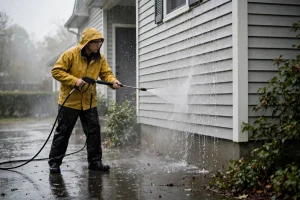
Pressure washing a rental property isn’t a luxury or an optional add-on to the maintenance schedule. For landlords who are trying to hold onto tenants and attract new ones, it’s become a practical necessity.
What Tenants Actually See First
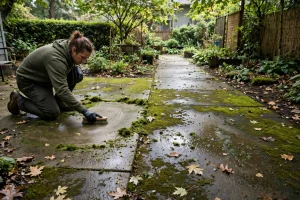
Before a prospective tenant ever walks through the front door, they’ve already formed an opinion about the property. The driveway, the siding, the front walkway, and the overall curb appeal of the building tell a story. If that story involves streaked walls, stained concrete, and green mold creeping up the foundation, it’s not a good one.
Tenants are making a decision about where they’re going to live. They’re also making a judgment call about the landlord. A property that’s visibly neglected on the outside signals that the landlord probably isn’t much more attentive on the inside.
The First Impression Problem
First impressions with rental properties happen fast. A tenant drives by or pulls up for a showing and makes a gut-level call before they’ve even parked. Clean, maintained exteriors draw people in. Dirty ones make them hesitant before they’ve seen anything else.
That hesitation doesn’t always translate into someone saying “the outside looked bad.” It shows up as vague discomfort, shorter tour attention spans, and less enthusiasm about signing a lease. The landlord often never gets feedback on why a showing didn’t convert.
Online Photos & Listings
Most rental properties get photographed once when they’re listed and then those same photos get reused for years. If the exterior looked decent when the shots were taken but has since accumulated a season or two of mold and grime, the property looks like false advertising when prospective tenants show up.
That gap between the listing photo and the actual condition of the property creates distrust right at the moment you need the prospective tenant to feel confident about committing.
How Dirty Exteriors Affect Current Tenants
Attracting new tenants is only half the issue. Keeping existing tenants is where exterior condition has the biggest financial impact.
Lease Renewal Decisions
Tenants who are deciding if they need to renew their lease are doing a quiet accounting of their experience. The things that made them uncomfortable over the past year are on that list. A property that looks dirty and poorly maintained is part of that accounting, even if the tenant never brought it up directly.
Pressure washing a rental property before a lease renewal conversation comes up is one of the simplest ways to remove that item from the list. The property looks cared for. The tenant feels like their living situation is being maintained. That matters.
Tenant Pride in Where They Live
People take more care of places they’re proud of. A tenant who lives in a property that looks good from the street is more likely to maintain the interior, report problems early, and treat the space with respect. A tenant who feels like they’re living in a neglected property starts to match that energy, consciously or not.
Exterior condition sets a standard. When landlords hold to that standard, tenants tend to follow.
The Maintenance Math Landlords Often Get Wrong
Vacancy Costs vs. Cleaning Costs
A vacant unit is expensive. Between lost rent, turnover costs, advertising, and possible touchups before re-listing, even a short vacancy adds up fast. Pressure washing a rental property costs a fraction of a single month’s lost rent, and it’s one of the visible improvements that tenants and prospective tenants notice most immediately.
Landlords who run the numbers on what a lower vacancy rate is worth quickly realize that exterior maintenance is one of the highest-return investments they can make on a property.
Avoiding Deferred Maintenance
Mold, algae, and biological growth on the exterior of a rental property don’t stay on the surface forever. They work into siding, concrete, and wood over time and begin to cause material damage. The longer that growth sits, the more likely the landlord is to be looking at repairs rather than cleaning.
Staying ahead of that deterioration with regular exterior washing costs far less than addressing the damage after it’s happened. For a landlord managing multiple properties, that math multiplies quickly.
What Tenants Are Saying Online
Reviews and ratings for rental properties are more public than they used to be. Tenants leave feedback on Google, rental platforms, and neighborhood apps. Exterior cleanliness and property appearance come up in those reviews, often worded as general comments about maintenance and management quality.
A landlord with a pattern of exterior neglect across their properties will eventually see that reflected in their ratings. And those ratings affect the quality of applications they receive. High-quality tenants who have options are looking for properties that show evidence of good management.
Making Exterior Cleaning Part of the Maintenance Cycle
For most rental properties, once a year is a reasonable baseline for exterior washing. Properties in areas with heavy tree cover, near standing water, or in humid climates may need it more often. A consistent schedule keeps the property looking maintained without requiring landlords to react to problems after they’ve become visible.
Building pressure washing into the annual maintenance budget alongside HVAC servicing and landscaping puts it where it belongs: as a routine part of keeping a property in good condition, not an afterthought.
Tenants notice when a property is cared for. They also notice when it isn’t.