
If you’ve been quoted for exterior cleaning on your home in Richmond, you’ve probably heard the term “soft washing” but maybe not in detail. Some companies use it as a buzzword. Some use it interchangeably with pressure washing, which it isn’t. Some apply it to the wrong surfaces. This guide is a complete homeowner’s primer: what soft washing is, how it works, where it’s the right method, and what to expect when you book a professional soft wash service in Richmond.
The short version: soft washing is exterior cleaning that uses a cleaning solution at low pressure to kill mold, mildew, algae, and bacteria at the cellular level. Instead of relying on water force to physically blast contamination off a surface (which is what pressure washing does), soft washing relies on chemistry to kill the organisms. The dead organisms then rinse away with a low-pressure water rinse. The result is a deeper, longer-lasting clean and no damage to the surface being cleaned.
The Definition: Soft Washing in Plain Terms
Soft washing has two components: a cleaning solution and low-pressure water. The cleaning solution does the actual killing of the organism growing on the surface. The low-pressure water applies the solution evenly and, after the solution has done its work, rinses the dead organism material away.
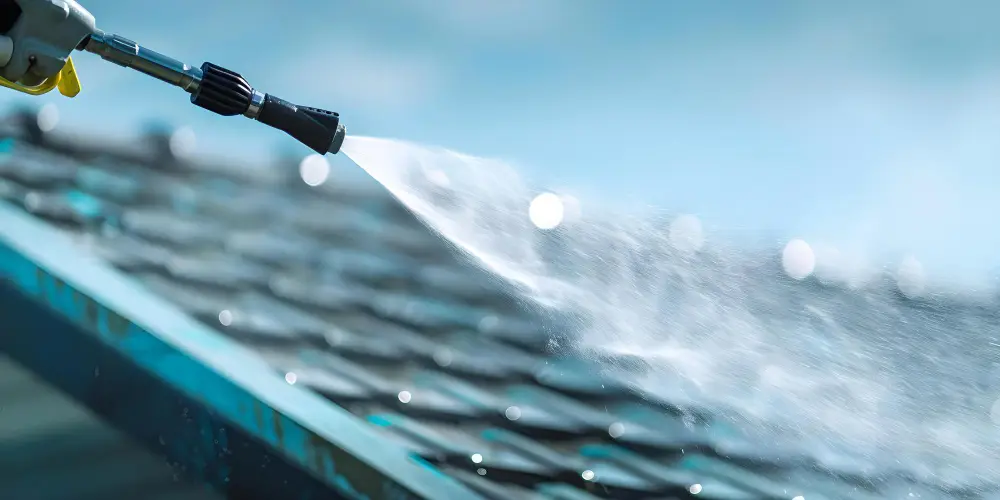
The pressure is the key technical distinction. Standard pressure washers operate at 1,500 to 3,000+ PSI. Soft washing applies at under 100 PSI closer to a garden hose than to a pressure washer. At that pressure, there is no mechanical force on the surface being cleaned that could damage it: no granule loss, no paint stripping, no vinyl cracking, no mortar erosion.
The cleaning solution itself is the active part of the process. It’s a calibrated mix of sodium hypochlorite (the same chemical family as household bleach), surfactants (compounds that let the solution cling to vertical surfaces), and water. The exact concentration is tuned to the surface and the type of growth being treated. For deeper reading on the chemistry, see our explainer on sodium hypochlorite in soft washing.
Why Traditional Pressure Washing Fails on Most Home Surfaces
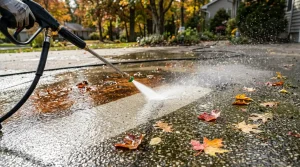
Pressure washing was developed for industrial and hardscape cleaning concrete, masonry, steel, machinery, and similar durable surfaces. On those materials, the mechanical force of high-pressure water is exactly what’s needed to remove embedded dirt, grease, oil, and ground-in stains.
On residential exterior surfaces, that same mechanical force is destructive. Here’s what happens when pressure washing is applied to the wrong materials:
- Asphalt shingle roofs: The protective ceramic granules embedded in the shingle surface come off under pressure. Each granule is a piece of UV-blocking, fire-resisting protection. Once they’re gone, the shingle’s lifespan starts shortening immediately.
- Vinyl siding: Modern vinyl can crack, craze, or warp under pressure, especially older brittle vinyl or sections exposed to direct sun. Once cracked, the only fix is replacement.
- Painted surfaces: Paint strips off. Even paint in good condition can be lifted by pressure-washer-grade force, especially at edges, around trim, or where paint has aged at all.
- Stucco and EIFS: Stucco erodes in small chunks, particularly at corners and control joints. EIFS (exterior insulation finish systems) are even more vulnerable pressure washing can drive water through the system and cause serious moisture damage.
- Soffits and fascia: The shaded overhead surfaces where mildew loves to grow are also the surfaces most vulnerable to water intrusion. Pressure washing forces water into the soffit cavity, leading to interior moisture problems.
Soft washing exists specifically because these surfaces need cleaning too but they need a method that doesn’t damage them.
How Soft Washing Actually Kills Mold, Mildew, and Algae
This is where soft washing fundamentally diverges from pressure washing. Pressure washing physically rinses contamination off a surface; soft washing kills the contamination chemically.
Mold, mildew, algae, lichen, and bacteria like Gloeocapsa magma (which causes the dark streaks on roofs) are all living organisms. They have cell walls, internal structures, and reproductive cycles. Pressure water removes the visible parts of the colony but leaves living cells embedded in the microscopic texture of the surface. Within weeks, those surviving cells repopulate. The visible result is regrowth within months.
The cleaning solution in soft washing penetrates the cell walls of the organism and oxidizes the internal structures, killing the cells outright. The solution typically dwells on the surface for 10–20 minutes. During that window, the visible color of the growth fades black streaks turn gray, then nearly disappear; moss turns brown as it dies; lichen breaks its chemical bond with the substrate it was growing on.
Once the organism is dead, regrowth has to start from scratch new airborne spores landing on the surface, finding moisture and nutrients, and slowly establishing new colonies. That process takes years rather than months. This is the cellular reason soft washing results last 4 to 6 times longer than pressure washing.
Surfaces Soft Washing Is the Right Method For
Soft washing is the correct method for essentially every residential exterior surface that pressure washing can damage:
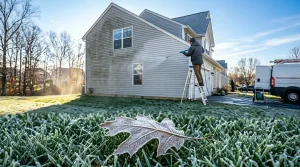
- Vinyl, Hardie, and wood siding. The largest residential application. Mold, mildew, and algae that build up on shaded siding all kill cleanly under properly calibrated soft wash without pitting, cracking, or stripping.
- Asphalt shingle, tile, and metal roofs. Asphalt shingle roofs specifically require soft washing see our complete page on roof soft washing for the detailed method.
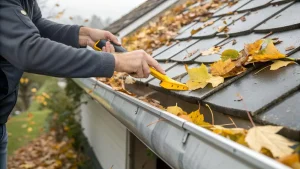
- Soffits, fascia, and gutters. Overhead surfaces where mildew grows in the shaded recesses. Pressure washing risks water intrusion; soft washing rinses cleanly.
- Stucco and EIFS. The only safe method for cleaning these surfaces. Pressure washing will erode stucco and can damage EIFS systems severely.
- Brick and masonry. Brick can technically take pressure, but the mortar joints can’t mortar erodes a little with every pressure wash. Soft washing cleans brick without compromising the joints.
- Fences (wood and vinyl). Wood fences fuzz under pressure washing; vinyl fences crack. Soft washing removes the green-black mildew that ages fences without touching the material itself.
- Outdoor furniture, awnings, and screened surfaces. Delicate exterior items that would be damaged by pressure washing clean safely under soft wash.
Surfaces Where Soft Washing Is the Wrong Method
Soft washing isn’t a universal answer. There are surfaces where mechanical force is genuinely what’s needed, and chemistry alone won’t do the job:
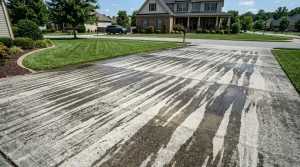
- Concrete driveways and sidewalks. Embedded dirt, tire marks, oil stains, and weathered surface grime all need mechanical force to lift. Pressure washing is the right tool here.
- Paver patios and walkways. Same principle embedded dirt in paver joints and surface texture comes out under pressure, not chemistry.
- Dumpster pads and commercial parking lots. Heavy-soiled commercial surfaces with grease, oil, and organic stains need pressure.
- Garage floors. Concrete with motor oil staining needs mechanical cleaning.
For a complete breakdown of which surfaces need pressure rather than soft wash, see our guide on when NOT to use soft washing.
What to Expect During a Soft Wash Service
A typical residential soft wash takes 3–5 hours on a standard Richmond home. Here’s the process from arrival to walkthrough:
- Pre-inspection. Technician walks the property, identifies surfaces, assesses growth type, and confirms the scope of the job with the homeowner.
- Landscape preparation. Every plant, shrub, mulch bed, and grass area within the spray-fall zone gets thoroughly pre-wet with plain water. Delicate plantings may also be tarped.
- Solution application. Cleaning solution applied at low pressure (under 100 PSI), working systematically across the surfaces. Even coverage with extra dwell time on heavy-growth areas.
- Dwell time. Solution sits on the surfaces for 10–20 minutes. During this window, the visible growth begins to die colors fade, surfaces start clearing.
- Low-pressure rinse. Surfaces rinsed from top to bottom with low-pressure water, including a complete landscape rinse-down at the end to dilute anything that reached the ground.
- Final walkthrough. Inspection with the homeowner. Any area that needs a second pass gets one before the crew leaves.
Pets can come back outside immediately after the rinse-down. The cleaning solution is properly diluted by that point and breaks down rapidly in sunlight. We cover the family-safety question in detail in our complete safety guide on soft washing chemicals.
How Much Does Soft Washing Cost?
Cost varies based on the property size, the surfaces involved, the type and severity of growth, and access conditions. For typical Richmond residential properties:
| Service | Typical Cost Range | Frequency |
| House soft wash (siding only) | $300–$650 | Every 2–3 years |
| Full exterior soft wash | $500–$1,200 | Every 3–4 years |
| Roof soft wash | $400–$1,500 | Every 4–6 years |
| Add-on: soffits, fascia, gutters | $100–$300 | With house wash |
| Fence soft wash | $200–$500 | Every 2–3 years |
These are typical ranges, not quotes. Every home is different — and an honest service should give you a flat-rate quote after seeing the property, not a price-per-square-foot guess over the phone. For a free assessment and clear quote, get in touch.
Frequently Asked Questions
Is soft washing the same as pressure washing with less pressure?
No. Soft washing is a chemistry-first method that uses a cleaning solution to kill organisms at the cellular level. Pressure washing is a force-first method that uses water velocity to physically rinse contamination. The pressure level is just one part of the difference the cleaning solution and the kill mechanism are the more important distinctions.
How long do soft washing results last in Richmond?
Typically 4–6 years before another treatment is worthwhile, depending on the surface and the surrounding environment. Roofs and siding both tend to fall in that 4–6 year range. Fences may need cleaning slightly more often due to their proximity to ground moisture and direct soil contact.
Will soft washing remove paint, stain, or sealant?
No, when applied correctly. The cleaning solution targets organic growth specifically — mold, mildew, algae, bacteria, lichen. It doesn’t strip paint, lift stains, or remove sealants. This is part of why soft washing is safe for painted siding, stained decks, and sealed surfaces.
Can I soft wash my home myself?
Technically yes, with the right equipment and chemistry knowledge but most homeowners shouldn’t. The risks of DIY soft washing include over-concentration (which can damage plants and surfaces), under-concentration (which doesn’t fully kill the organism, leading to fast regrowth), inadequate rinse-down (which can leave residue on plants), and personal exposure risks. Our guide on sodium hypochlorite covers what’s involved in getting the chemistry right.
Do you do soft washing for commercial properties too?
Yes soft washing is widely used in commercial applications. HOA common areas, office building exteriors, retail storefronts, and apartment complexes all benefit from soft washing on the siding, soffits, and signage areas. See our commercial pressure washing page for the commercial service breakdown.
Bottom Line
Soft washing is the right method for cleaning the majority of your home’s exterior surfaces. It uses chemistry rather than brute force, kills mold and algae at the cellular level rather than just rinsing surface growth, and produces results that last 4–6 years rather than 6–18 months. For siding, soffits, gutters, fences, stucco, brick, and asphalt shingle roofs, it’s not a preference — it’s the correct method.
If you’re ready to schedule a soft wash for your home, request a free Richmond soft washing quote or call us directly. For deeper reading: the soft wash method applied specifically to roofs, safety details for plants, pets, and kids, the sodium hypochlorite chemistry that makes it work, and when soft washing is the wrong tool.