
Keeping your roof clean is essential for protecting your home, maintaining curb appeal, and extending the lifespan of your roofing materials. But a common concern among homeowners is whether roof cleaning can actually damage shingles or tiles. The truth is, cleaning can be safe or risky depending on the method, tools, and roof type. For homeowners seeking professional guidance, Jacobson’s power washing services provide expert roof cleaning that minimizes damage while maximizing results. In this comprehensive guide, we’ll explore every angle of roof cleaning, provide step-by-step instructions for safe maintenance, compare cleaning methods, and answer all frequently asked questions.
Short Answer: Does Cleaning Roof Damage Shingles or Tiles?
Yes, cleaning your roof can damage shingles or tiles if done incorrectly. High-pressure washing, harsh chemicals, or abrasive tools can weaken roofing materials, cause granule loss, or even lead to leaks. However, safe cleaning methods like soft washing, low-pressure techniques, and eco-friendly detergents can clean your roof effectively without causing damage.
Factors such as the age of your roof, type of shingles or tiles, and the tools used play a critical role in determining risk. Older, brittle shingles are far more susceptible to damage than newer, well-maintained materials.
How Roof Cleaning Can Affect Shingles and Tiles
Understanding Roof Materials
Different roofing materials respond differently to cleaning methods. Here’s a breakdown:
- Asphalt shingles – Durable but prone to granule loss under high pressure.
- Clay tiles – Strong but brittle; can crack if scrubbed or hit by high-pressure water.
- Concrete tiles – Sturdy but can chip; some are porous and absorb chemicals.
- Slate – Extremely durable, but brittle; improper tools can break tiles.
Understanding your roofing material is the first step to avoiding accidental damage during cleaning.
Common Causes of Roof Damage During Cleaning
Several common mistakes can lead to damage:
- High-pressure washing risks – Pressure above 1,200–1,500 PSI can lift shingles or crack tiles.
- Improper chemical cleaners – Bleach or acidic detergents can erode surfaces and void warranties.
- Scrubbing with abrasive tools – Wire brushes or stiff scrapers can scratch or chip tiles.
- Neglecting manufacturer guidelines – Roof warranties often specify cleaning limitations; ignoring them can result in costly repairs.
Signs Your Roof Has Been Damaged After Cleaning
After cleaning, watch for these indicators:
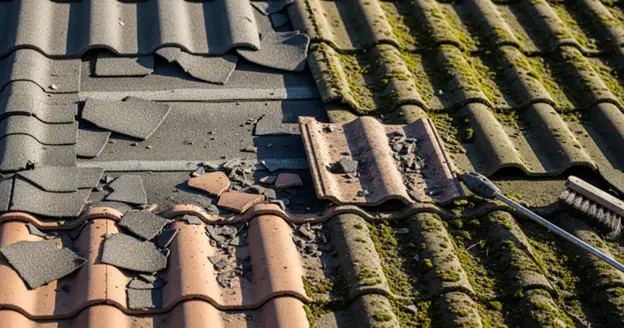
- Cracked, lifted, or missing shingles
- Broken, chipped, or dislodged tiles
- Granule loss in asphalt shingles
- Water leaks or unusual moss/algae regrowth
Spotting damage early allows you to repair it before it worsens.
Sub-Questions People Also Ask
Can pressure washing ruin shingles?
Yes, excessive pressure can lift shingles, strip granules, and damage underlayment, potentially leading to leaks. Pressure washing is only safe for sturdy tiles if used carefully with low PSI settings.
Is soft washing safe for all roof types?
Soft washing is generally safe for asphalt shingles, clay, and concrete tiles when done correctly. The low-pressure method combined with roof-safe chemicals reduces the risk of cracks, chipping, and granule loss.
How often should you clean your roof without damaging it?
Typically, a roof inspection and cleaning every 2–3 years is sufficient. Areas with heavy moss, algae, or pollution may require more frequent maintenance.
Are DIY roof cleaning methods riskier than professional services?
DIY cleaning carries more risk, especially if high-pressure tools or harsh chemicals are used incorrectly. Professionals have the expertise, equipment, and safety measures to clean without damaging shingles or tiles.
Guide to Clean Your Roof Safely
Step 1: Inspect Your Roof
Before starting, perform a thorough inspection:
- Look for pre-existing cracks, loose tiles, or missing shingles.
- Identify sensitive areas like ridge caps, valleys, and flashings.
This ensures you tailor the cleaning method to your roof’s condition.
Step 2: Choose the Right Cleaning Method
- Soft washing – Ideal for asphalt shingles, clay, and delicate tiles. Uses low pressure and chemicals.
- Low-pressure washing – Suitable for concrete or sturdier tiles; minimizes physical abrasion.
Avoid high-pressure washing unless your roof material is extremely durable.
Step 3: Prepare Cleaning Solutions
- Use eco-friendly, roof-safe detergents to remove moss, algae, and dirt.
- Avoid bleach, acidic cleaners, or abrasive powders, which can erode roofing materials.
Step 4: Protect Roof and Surroundings
- Cover gutters, landscaping, and HVAC units to prevent chemical runoff.
- Use ladders and harnesses safely, as most roof damage occurs due to slips or falls during cleaning.
Step 5: Apply Cleaning Method Correctly
- Soft washing: Spray at a safe distance (~3–5 feet), working from top to bottom.
- Maintain correct angle and duration to avoid oversaturating or applying excessive pressure.
- Rinse thoroughly to remove all cleaning solutions.
Step 6: Post-Cleaning Inspection
- Check for granule loss, cracks, or broken tiles.
- Schedule minor repairs if damage is detected.
- Document roof condition for future reference and warranty purposes.
Roof Cleaning Methods and Damage Risk
| Cleaning Method | Best For | Damage Risk | Cost | Pros | Cons |
| High-Pressure Washing | Concrete tiles | High | Medium | Fast cleaning | Can lift shingles, chip tiles |
| Soft Washing | Asphalt shingles, clay tiles | Low | Medium | Safe, eco-friendly | Takes longer |
| Manual Scrubbing | Slate, older tiles | Medium | Low | Precise control | Labor-intensive |
| Chemical Treatments | Moss/algae removal | Low-Medium | Low | Effective for stains | Must rinse thoroughly |
This table provides a quick reference for homeowners to choose the safest, most effective cleaning method for their roof type.
FAQs: Does Cleaning Roof Damage Shingles or Tiles?
- Can cleaning your roof void the warranty?
Yes, using high-pressure washers or harsh chemicals may void your roof warranty. Always follow manufacturer guidelines. - How to know if a cleaning method is safe for your roof type?
Check the roof material, manufacturer recommendations, and consult a professional if unsure. - What cleaning chemicals are safest for shingles and tiles?
Roof-safe detergents, mild surfactants, and eco-friendly soft washing solutions are safest. - How often should roof cleaning be done to prevent damage?
Typically every 2–3 years, or sooner in regions with heavy moss/algae growth. - Can roof damage from cleaning be repaired?
Yes, granule loss, cracked shingles, and chipped tiles can often be repaired or replaced, but early detection is key. - Is DIY roof cleaning more dangerous than hiring professionals?
Yes, professionals minimize the risk of damage using proper tools, techniques, and safety equipment. - Can moss or algae make cleaning more damaging?
Yes, stubborn growth can require harsher cleaning methods, which increases the risk of damage if not done correctly. - Are there seasonal considerations for roof cleaning?
Yes, late spring to early fall is ideal. Avoid cleaning during extreme heat, freezing temperatures, or heavy rain.
Conclusion
Cleaning your roof is essential for maintaining its longevity, appearance, and performance, but it can damage shingles or tiles if done improperly. Choosing the right cleaning method, understanding your roof material, and following safety guidelines are crucial to prevent costly damage.
Soft washing, low-pressure techniques, and roof-safe detergents provide effective cleaning without compromising shingles or tiles. Regular inspections, careful maintenance, and professional guidance ensure your roof remains in top condition for decades.
If you’re unsure about DIY cleaning, consider hiring a certified roof cleaning service to ensure safety, efficiency, and warranty compliance. Visit our Gallery to get an idea and Protect your investment, clean smart, not hard.