

At some point, every homeowner looks at the outside of their house and realizes it doesn’t look the way it used to. The siding has changed color. There are streaks running down from the gutters. Green patches have started forming in shady spots. That’s all buildup from years of exposure to weather, pollen, dirt, mold, and mildew. House pressure washing is how you deal with it.
This guide covers what you need to know about getting your home’s exterior cleaned, from the surfaces involved to the process itself.
Why House Pressure Washing Matters
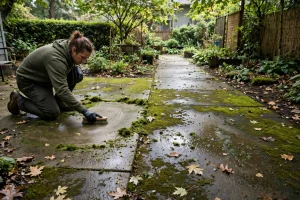
Your home’s exterior takes on everything the environment throws at it. Rain, humidity, tree sap, pollen, exhaust, and dust all settle on the siding, trim, and other surfaces over time. Mold and mildew thrive in shaded, damp areas. Algae grows on surfaces that stay wet for long periods.
None of this goes away on its own. And the longer it sits, the harder it is to remove and the more damage it can cause. Mold breaks down organic materials. Algae holds moisture against surfaces. Dirt and grime can stain permanently if left long enough. House pressure washing removes all of it and gives your home a fresh start.
How Often Should You Get It Done
For most homeowners, once a year is a good baseline. If your home is surrounded by trees, sits in a humid climate, or has surfaces that don’t get much sunlight, you may want to schedule it twice a year. Spring and fall tend to be the most popular times. Spring clears out everything that accumulated over winter and pollen season. Fall cleans up before the cold months when you can’t wash.
What Surfaces Are Involved
House pressure washing covers more than just the siding. A full exterior wash typically includes the siding itself, soffits, fascia, gutters (exterior), window frames, and sometimes the foundation. Each surface has different needs, and the pressure and technique used should match the material.
Siding Types & How They’re Handled
Vinyl siding is the most common type in residential homes. It cleans up well with low-pressure washing and a cleaning solution that breaks down mold and mildew. High pressure isn’t needed and can actually cause damage by cracking the material or forcing water behind it.
Wood siding needs a careful approach. Too much pressure strips the grain and splinters the wood. A controlled wash at lower PSI with the right nozzle keeps the surface intact while removing buildup.
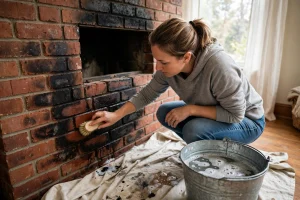
Brick and stone can handle higher pressure, but the mortar joints are the weak point. If the mortar is older or already crumbling, a lighter touch is needed. Otherwise, brick responds well to standard pressure washing.
Stucco is softer than it looks. It scratches and chips under high pressure. A soft wash method with a cleaning solution works better on stucco surfaces.
Gutters, Trim, & Other Details
The outside of gutters collects dark streaks called “tiger striping” that comes from oxidation and runoff. This is part of a full house pressure washing and usually requires a specific cleaning agent to remove. Trim, window frames, and soffits all get washed as part of the process.
The Process From Start to Finish
Knowing what to expect helps you plan for the service and understand what the crew is doing and why.
Pre-Wash Inspection
Before any water hits the house, the surfaces should be checked for damage. Cracked siding, loose trim, broken seals around windows, and deteriorating mortar all need to be noted beforehand. Pressure washing can make existing damage worse if it’s not accounted for.
Protecting the Surroundings
Plants, landscaping, outdoor furniture, and anything else near the house should be moved or covered. Most crews will handle this as part of the setup. Cleaning solutions, even biodegradable ones, can stress plants if they’re applied directly. Wetting down the landscaping before and after the wash helps reduce any risk.
The Wash Itself
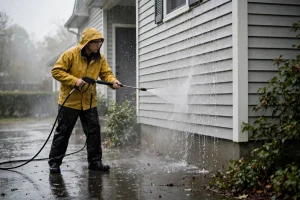
The crew applies a cleaning solution to the surfaces, lets it dwell for a set period so it can break down organic growth, and then rinses everything off with the appropriate level of pressure. On siding and softer surfaces, this is done at low pressure. On concrete and brick near the foundation, higher pressure may be used.
The whole process takes anywhere from two to four hours for a standard home, depending on the size and condition of the surfaces.
Post-Wash
Once everything is rinsed, the crew typically does a walkthrough to check for any spots that need a second pass. This is also a good time to point out anything you want them to address. After the wash, the difference is usually noticeable from the street.
Common Mistakes Homeowners Make
Some homeowners try to pressure wash their own home using a rented or purchased machine. That can work in some cases, but there are a few common mistakes that lead to damage or poor results.
Using Too Much Pressure
This is the most common issue. Residential pressure washers from the hardware store can push out 2,500 to 4,000 PSI. Using that full force on vinyl siding, wood, or stucco will cause damage. The nozzle, distance from the surface, and PSI setting all matter.
Skipping the Cleaning Solution
Water alone doesn’t kill mold and mildew. It removes the visible layer, but the organisms are still alive on the surface. They grow back faster than if a proper cleaning agent had been used. House pressure washing should always include a treatment that kills organic growth at the source.
Not Testing a Small Area First
Every surface reacts differently. Even within the same material, age, sun exposure, and previous treatments can change how a surface responds to pressure. Testing a small, hidden area first is always the right move before washing the entire house.
What It Costs
Pricing for house pressure washing depends on the size of the home, the number of stories, the type of siding, and the amount of buildup. Most single-story homes fall on the lower end of the pricing scale, while larger multi-story homes with heavy buildup cost more. Getting a quote based on your actual home is the best way to get an accurate number.
Wrapping Up
House pressure washing isn’t complicated, but it does require the right approach for each surface. Doing it regularly keeps your home looking the way it should, protects the materials from long-term damage, and saves you from more expensive repairs down the road. If your home hasn’t been washed in a while, it’s probably time to schedule it.