

A fence takes a beating that is easy to overlook. It stands out in the weather all day, every day, with no roof over it and no break from the sun, rain, and wind. Wood fences show their age fast around here, going gray and rough within a few years if nothing gets done to protect them. Staining and sealing is how you keep a fence standing strong and looking the way it did when it went up.
Most people think about their deck when it comes to wood care and forget the fence entirely. But the fence runs the length of your yard and frames the whole property, so when it goes gray and worn, the rest of the place looks tired right along with it.
Why Fences Wear Down So Fast
A fence gets no shelter. Every side of it faces the elements, and that adds up over the seasons.
Sun & Rain Do the Damage
The sun pulls color and moisture out of the wood, leaving it gray and brittle. Rain soaks in and swells the boards, then they dry and shrink, and that cycle of wet and dry is what splits and warps the wood over time. Richmond’s humidity keeps fences damp longer than they should be, which is also what feeds the mildew and green growth you see creeping up the boards.
Ground Contact Adds to It
Fence posts and lower boards sit close to the soil, where moisture lingers and growth takes hold. That lower section often goes first, which is why sealing matters most down low where the wood meets the wet ground. Keep that area covered and the whole fence lasts longer.
What the Work Involves
Staining a fence runs on the same idea as a deck, but a fence has its own quirks to work around.
Clean First, Then Stain
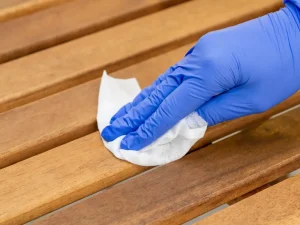
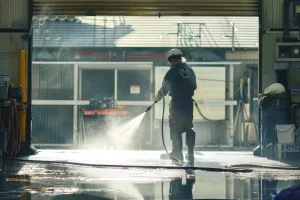
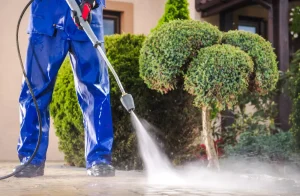
A fence has to be washed before anything goes on it. Years of dirt, pollen, and mildew sit on the surface, and stain will not hold over that. Once the boards are clean and dry, the surface is open and ready to take the finish. Lay color over a dirty fence and it lifts off within months.
Both Sides Count
A fence has two faces, and they weather in their own ways. The side that catches the afternoon sun wears faster than the shaded side. We treat both so the whole fence holds up evenly, not just the side you happen to see from the yard.
Choosing a Stain for Your Fence
The look you land on changes how the fence sits with the rest of your property.
Clear, Tinted, or Solid
A clear sealer keeps the natural wood color and lets the grain show, but it gives the least sun cover. A tinted stain adds some color along with more protection. A solid stain goes on like paint and gives the most cover, hiding the grain but standing up the longest against the sun. The more pigment in the product, the longer the color holds before it fades.
Matching the Yard
Some folks want the fence to fade into the background, while others want it to stand with the house and the landscaping. The color you pick sets that tone, and it is worth thinking through before the work starts, since a fence is a long stretch of one color running across the whole yard.
How Long It Holds Up
A stained and sealed fence holds for two to four years before it wants a refresh, depending on the product and how much sun the fence takes. Solid stains tend to go the longest. Clear sealers need redoing sooner than the rest. The side that faces south or west usually fades first, so that is the spot to watch when you are deciding it is time for another coat.
Staying on top of it keeps the cost down over the years. A fence that gets sealed on schedule never gets the chance to rot or warp, so you are paying for upkeep instead of replacement. Let a wood fence go untreated and you are often looking at swapping out boards or whole sections within a handful of years, which runs far more than a coat of stain ever would. The work also goes quicker on a fence that has been kept up, since there is less grime and gray to strip off before the new coat goes on.
Keeping Your Fence in Shape
The best time to stain a fence is right after it gets cleaned, while the wood is open and dry and ready to take the finish. That order keeps the work from going to waste.
Our crew handles fence cleaning, staining, and sealing across Richmond and the surrounding areas, including Midlothian, Glen Allen, and Short Pump. We wash the boards, let them dry out, and come back to seal them so the job gets done the right way and the finish actually bonds to the wood instead of sitting on top of it.
If your fence has started to gray, or you want to protect a newer one before the weather gets to it, give us a call and we will put together a plan for your fence and your yard.