
Sodium hypochlorite is the active ingredient in essentially every professional soft washing solution. If you’ve been quoted for a soft wash service in Richmond, sodium hypochlorite is what’s doing the cleaning work. It’s also the chemical that, more than any other component of the process, deserves understanding because the concentration, the calibration, and the application practices around it are what separate a safe, effective professional soft wash service from a DIY job that damages plants and surfaces.
This guide is a practical primer on sodium hypochlorite: what it is, how it kills mold and algae, the concentrations used in soft washing, the safety profile, and why getting the chemistry right matters.
What Sodium Hypochlorite Actually Is
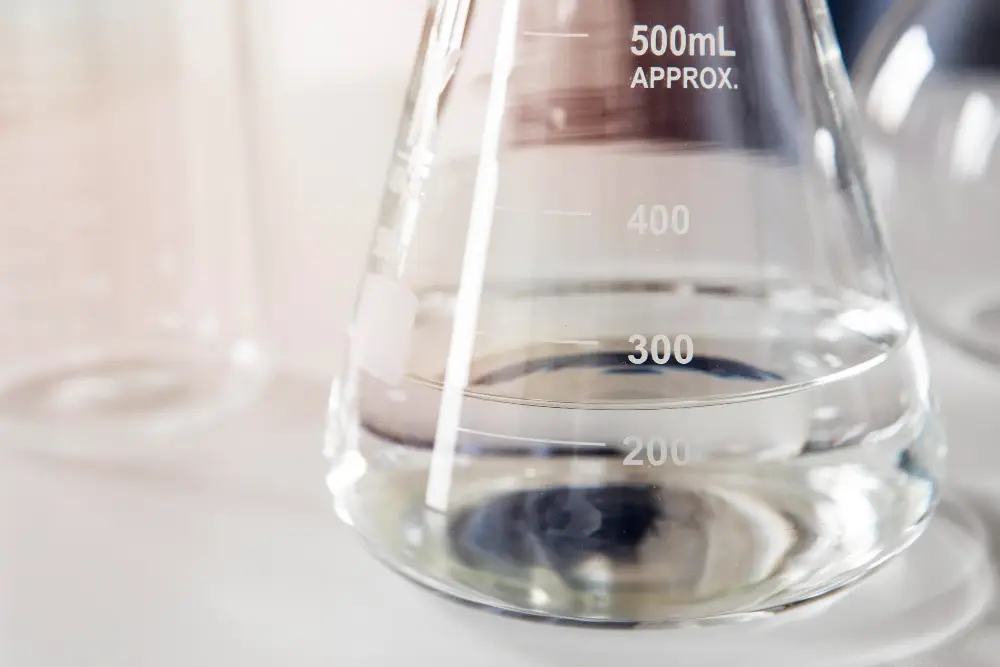
Sodium hypochlorite (chemical formula NaOCl) is a compound of sodium, oxygen, and chlorine. It’s a clear to slightly yellow liquid in aqueous solution. The chemistry has been used industrially since the late 1700s and is one of the most thoroughly studied cleaning and disinfecting compounds in existence.
The most familiar form to homeowners is household bleach, which is sodium hypochlorite diluted to roughly 5–6% concentration in water. Commercial soft washing solutions start at higher concentrations — typically 10–12.5% in the supply container — and are then diluted with water and surfactants before application to the surface.
The chemistry’s effectiveness comes from oxidation. Sodium hypochlorite reacts with organic material by transferring oxygen atoms, which breaks down cell walls, denatures proteins, and disrupts the molecular structures that organisms need to stay alive. The compound is broadly antimicrobial effective against bacteria, fungi, algae, viruses, and most organic contaminants.
Why Sodium Hypochlorite Is the Standard in Soft Washing
Several properties make sodium hypochlorite specifically well-suited to exterior soft washing:
- Effective against the right organisms. Mold, mildew, algae, lichen, and the cyanobacteria that causes roof streaks — all the organisms growing on residential exteriors are vulnerable to oxidative chemistry. Sodium hypochlorite kills them at the cellular level with reliable consistency.
- Breaks down rapidly. After doing its work, sodium hypochlorite degrades to salt (sodium chloride) and water through reaction with organic material and exposure to sunlight. There’s no persistent residue, no soil contamination, and no long-term environmental impact. This is dramatically different from many synthetic biocides that can persist for months.
- Predictable concentration response. The kill effectiveness scales reliably with concentration and contact time. Professionals can calibrate the mix to the surface and growth type with confidence in the result. Other chemistry alternatives are either much less predictable or less effective.
- Industry availability. Sodium hypochlorite is widely available in commercial concentrations, well-priced, and supported by safety data sheets, application protocols, and industry standards. The Asphalt Roofing Manufacturers Association explicitly recommends sodium hypochlorite based solutions for roof cleaning, which is the regulatory endorsement that matters most for the largest soft wash application category.
Concentrations: From Bleach Bottle to Soft Wash Mix
Understanding soft wash chemistry requires understanding how concentration changes from source to application:
| Source / Stage | NaOCl Concentration | Purpose |
| Household bleach | 5–6% | General cleaning, laundry, disinfection |
| Commercial supply | 10–12.5% | Source material for industrial dilution |
| Soft wash mix tank | 1–4% | Active concentration for application |
| At surface during dwell | ~1–4% | Effective kill zone for organisms |
| After 10–20 min dwell | Declining rapidly | Active chemistry depleted by reaction |
| After rinse-down | <0.1% | Diluted to inert levels |
The mix tank concentration — the 1–4% range — is the meaningful number for understanding what’s actually applied to your home. Heavy mildew on shaded siding might be treated at 3–4%. Lighter algae on a roof might be 2–3%. Sensitive surfaces or proximity to delicate plantings might be 1–2%. The calibration is part of why professional service matters: getting the concentration right requires experience.
How the Surfactants Modify Behavior
Sodium hypochlorite alone is a thin, water-like liquid that runs off vertical surfaces quickly. That’s a problem for soft washing because the chemistry needs dwell time on the surface to do its work.
Surfactants are added to soft washing mixes to solve this problem. They modify the surface tension of the solution, allowing it to cling to vertical siding and even overhead surfaces for the 10–20 minutes of dwell time needed. Without surfactants, the solution would simply run down the wall to the ground before the chemistry could fully kill the organism.
The surfactants are also the visible component during application they’re why soft wash solution appears foamy or slightly thicker than water when sprayed. The foam isn’t itself the cleaning agent; the foam is just the visible sign that surfactants are working to keep the solution where it needs to be.
The Kill Mechanism: Cell-Level Oxidation
When sodium hypochlorite contacts a living organism, the oxidation chemistry begins immediately. At the cellular level, three things happen in rapid succession:
- Cell wall penetration. The chemistry breaks down the polysaccharide and protein structures that form the cell wall, allowing the solution to enter the cell.
- Internal disruption. Once inside, the chemistry oxidizes proteins, nucleic acids (DNA/RNA), and the internal structures the cell needs to function. The cell loses functional integrity.
- Pigment breakdown. For pigmented organisms like
The whole sequence happens within minutes. By the end of dwell time, the colony is dead and the visible color has faded. The dead organism material is then rinsed off the surface.
This cellular kill mechanism is the cellular reason soft washing results last 4 to 6 times longer than pressure washing. Pressure washing physically rinses the surface; soft washing chemically kills the colony.
Safety Profile: What Homeowners Should Know
Sodium hypochlorite is a real chemical with real safety considerations, but the safety profile in soft washing applications is well-characterized and manageable:
- Skin and eye contact. Undiluted commercial concentration can cause skin and eye irritation on contact. Professional crews use PPE (gloves, eye protection) during mixing and application. At application concentrations (1–4%) and especially after dilution by overspray and rinse, irritation risk drops sharply.
- Sodium hypochlorite has a recognizable chlorine odor at higher concentrations. Adequate ventilation during outdoor application keeps inhalation exposure within safe levels for crews and bystanders.
- Plant damage. Direct contact between concentrated solution and plant tissue causes leaf burn and can damage or kill the plant. This is the single most important reason for the pre-wetting and rinse-down procedures professional crews follow — covered in detail in
- Environmental impact. The breakdown products (salt and water) are inert. The chemistry doesn’t persist in soil or groundwater. Long-term environmental impact is minimal particularly compared to many synthetic biocides.
- Surface damage at high concentration. Concentrated sodium hypochlorite can damage some surfaces — particularly painted metal, certain plastics, and some fabrics. Application concentrations are tuned to be effective on biological growth without damaging the substrate.
The bottom line on safety: sodium hypochlorite is one of the better-understood and better-tolerated industrial cleaning chemicals available. The risks come from misapplication (wrong concentration, no pre-wet, inadequate rinse), not from the chemistry itself when used correctly.
Why DIY Mixing Is Risky
Sodium hypochlorite is sold commercially without restriction in most jurisdictions, which means homeowners can technically buy concentrated supply and attempt DIY soft washing. There are several reasons this usually goes badly:
- Concentration math. Mixing the right ratio for the surface and growth type requires understanding the chemistry. Most DIY mixes are either too weak (doesn’t fully kill the organism, regrowth in months) or too strong (damages plants and surfaces).
- Surfactant selection. Commercial soft wash surfactants aren’t easily available to homeowners. DIY attempts using dish soap or other household surfactants don’t perform reliably they either don’t cling adequately or interact badly with the sodium hypochlorite.
- Application equipment. Professional soft wash equipment delivers the solution at controlled low pressure with directional accuracy. DIY garden sprayers don’t achieve the coverage or control needed for even application across a roof or two-story siding.
- Pre-wet and rinse protocols. The plant and landscape protection procedures require equipment and discipline that’s hard to replicate as a homeowner particularly on properties with extensive landscaping or sensitive plantings.
The result of DIY soft washing is usually some combination of: incomplete cleaning that regrows within a year, plant damage from inadequate pre-wet, or surface damage from over-concentration. Professional service in Richmond is consistently cheaper than the cost of fixing DIY mistakes.
Frequently Asked Questions
Is sodium hypochlorite the same as bleach?
Sodium hypochlorite is the active ingredient in bleach. Household bleach is 5–6% sodium hypochlorite in water with stabilizers. Commercial soft wash supply is 10–12.5% sodium hypochlorite. The chemistry is the same; the concentration is different.
Does sodium hypochlorite damage shingles or siding?
At application concentrations and dwell times, no. The chemistry targets biological material specifically — organism cells and pigments. The polymer-based materials in vinyl siding, the asphalt and granules in shingles, and most other building materials are not affected by the concentrations used in soft washing.
Are there alternatives to sodium hypochlorite for soft washing?
Several alternative chemistries exist (chlorine dioxide, sodium percarbonate, quaternary ammonium compounds), but none match sodium hypochlorite’s combination of effectiveness, predictability, cost, and safety profile. The Asphalt Roofing Manufacturers Association specifically recommends sodium hypochlorite based solutions for roof cleaning, which is why it remains the industry standard.
Will the chemistry hurt my house’s paint?
No. Properly diluted sodium hypochlorite at soft wash concentrations doesn’t affect modern exterior paints. Painted siding, painted trim, and painted accent elements are all safe under standard application protocols.
What about rust stains or oxide stains on siding?
Sodium hypochlorite cleans biological growth specifically. It doesn’t lift mineral stains like rust or oxide spots. Those require different chemistry — typically oxalic acid or specialty rust removers. A reputable cleaning service will use the right chemistry for the right contamination.
How long does the chemistry stay active on the surface?
Sodium hypochlorite is most active during the first 10–20 minutes after application — the dwell time. After that, the chemistry has reacted with the organic material and largely depleted. By the time the rinse-down happens (typically 20–30 minutes after application), the active chemistry is mostly gone. The surface is biologically clean but no longer chemically active.
Bottom Line
Sodium hypochlorite is the active ingredient that makes soft washing work. It’s the same chemical family as household bleach, applied at calibrated concentrations specifically tuned to kill mold, mildew, algae, and bacteria on exterior surfaces — without damaging the surfaces themselves. The chemistry breaks down rapidly to inert products and has a well-understood safety profile when applied by trained professionals.
If you’re considering soft washing for your home in Richmond, the chemistry should be one of the questions you ask. Get a free soft washing quote or call us with questions about the chemistry. For deeper reading: the complete homeowner’s guide to soft washing, how the method works on roofs specifically, safety details for plants, pets, and kids, and what gloeocapsa magma is and how soft wash kills it.