
Moss and lichen are two of the most damaging organisms that grow on asphalt shingle roofs in Richmond. Unlike ordinary black roof streaks caused by gloeocapsa magma, moss and lichen do more than stain the roof surface. They trap moisture, lift shingles, loosen granules, and accelerate roof deterioration over time.
If you can already see green moss clumps or gray green lichen patches from the ground, the roof needs attention now. These organisms continue spreading and damaging shingles until they are professionally removed.
The good news is that professional roof cleaning in Richmond can safely remove moss and lichen without damaging the shingles. The wrong DIY methods, however, often create more roof damage than the growth itself.
Moss vs Lichen What Is the Difference?
Although moss and lichen are often grouped together, they behave very differently on asphalt shingles and require slightly different treatment approaches.
Moss
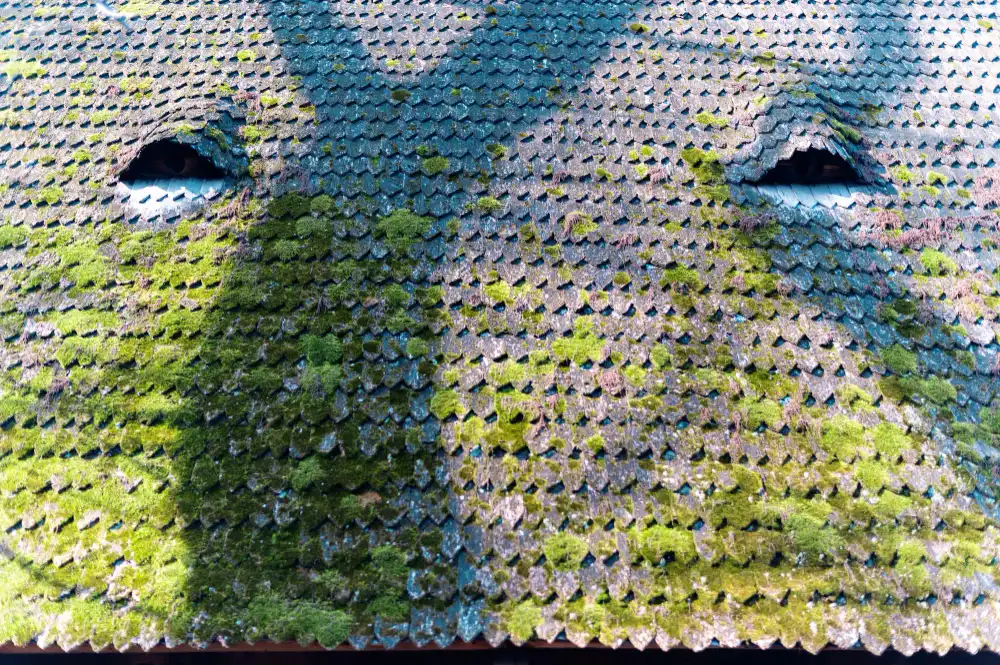
Moss is a green non vascular plant that grows in thick clumps across damp roofing surfaces.
It commonly appears:
- on north facing roof slopes
- near chimneys
- in roof valleys
- beneath overhanging trees
- in areas that stay damp after rainfall
Moss spreads through airborne spores carried by wind and rain. Once one colony establishes itself on a roof, additional colonies usually follow within a few seasons.
Moss has a soft raised appearance that stands above the shingle surface.
Lichen
Lichen is a combination of fungus and algae living together symbiotically.
On asphalt shingles, lichen appears as flat circular patches that look almost painted onto the roof surface. These patches are usually gray green, crusty, and tightly bonded to the shingles.
Lichen grows more slowly than moss, but it is significantly harder to remove because it chemically bonds itself to roofing granules.
Many Richmond roofs develop both moss and lichen simultaneously.
How to Tell Them Apart
Moss is:
- soft
- raised
- clumpy
- three dimensional
Lichen is:
- flat
- crusty
- patch like
- tightly attached to shingles
Many roofs throughout Richmond contain both at the same time.
Why Asphalt Shingles Are Vulnerable to Moss and Lichen
Modern asphalt shingles create ideal conditions for biological growth.
The textured granular surface traps spores easily, while the porous material retains moisture after rainfall and morning dew. Many modern shingles also contain limestone filler material that certain organisms can use as a nutrient source.
Richmond’s climate makes the problem worse because the area combines:
- high humidity
- long growing seasons
- heavy residential tree coverage
- shaded roof sections
- frequent rainfall
Together, these conditions allow roof algae, moss, and lichen to establish rapidly on asphalt shingles.
Wood shake roofs are even more vulnerable, while metal roofing systems tend to resist growth better than most materials.
Why Moss and Lichen Damage Asphalt Shingles
Both organisms actively shorten roof lifespan, but they damage shingles differently.
Moss Damage
Moss retains significant amounts of moisture against the roof surface.
That trapped moisture accelerates:
- asphalt breakdown
- freeze thaw damage
- shingle warping
- granule deterioration
As moss colonies expand, they can physically lift the bottom edges of shingles, creating openings where wind driven rain can penetrate underneath the roof system.
Severe moss growth can eventually loosen shingles entirely during storms.
Lichen Damage
Lichen damages shingles more aggressively on a smaller scale.
The organism produces mild acids that slowly degrade roofing materials while chemically bonding itself to the granule surface. When lichen is eventually removed, granules often detach with it.
Because of this bonding process, lichen is one of the most destructive common roof organisms per square foot of coverage.
Combined Roof Damage
Many Richmond roofs develop:
- moss
- lichen
- gloeocapsa magma
- black roof streaks
- algae staining
at the same time.
Combined growth commonly shortens asphalt roof lifespan by 5 to 10 years if left untreated through a standard roof life cycle. See the full cost comparison vs replacement.
The Safe Removal Method Soft Washing
The safest and most effective removal method is soft washing.
The same soft washing process used for gloeocapsa magma also works for:
- moss
- lichen
- roof algae
- black roof stains
Soft washing uses a sodium hypochlorite based cleaning solution applied at low pressure.
The solution penetrates moss and lichen colonies at the cellular level, killing the organisms completely rather than simply removing visible growth from the surface.
After treatment:
- moss gradually dries out
- colonies detach naturally
- lichen bonds weaken
- rainfall rinses away residue
Most homeowners notice major visual improvement within days, while full clearing continues over the following several weeks.
Soft washing in general produces results that typically last 4 to 6 years before noticeable regrowth returns.
What Not to Do
Many DIY roof cleaning methods damage shingles more than the moss itself.
Do Not Pressure Wash the Roof
Pressure washing strips away protective roofing granules and accelerates shingle aging.
Many roofing manufacturers warn against pressure washing because it can:
- void warranties
- damage shingles
- reduce roof lifespan
- create water intrusion risks
Professional soft washing cleans the roof chemically instead of mechanically.
Do Not Scrape or Brush Moss
Using brushes, scrapers, or brooms removes surface growth but also loosens roofing granules.
It usually leaves embedded spores behind, causing rapid regrowth.
Do Not Use Straight Bleach
Household bleach contains sodium hypochlorite, but it lacks the surfactants professional roof cleaning solutions use for proper coverage and dwell time.
Straight bleach also increases the risk of plant damage from runoff.
Do Not Walk on Wet Moss Covered Roofs
Wet moss covered roofs become extremely slippery.
Roof falls remain one of the leading causes of home maintenance injuries, especially during DIY roof cleaning attempts.
Do Not Ignore Small Lichen Patches
Small lichen colonies may appear harmless initially, but they continue bonding deeper into the shingles over time.
Early treatment is much easier and less damaging than waiting until the colonies spread extensively.
How Long Moss and Lichen Removal Takes
Most residential roof cleaning projects in Richmond take approximately 2 to 4 hours onsite.
During Cleaning
Black streaks begin fading immediately while moss starts changing color.
First 24 Hours
Most roof algae staining disappears and moss colonies begin dying visibly.
Week One
Dead moss starts loosening and detaching naturally.
Weeks Two Through Four
Rainfall continues washing away remaining moss residue and weakened lichen patches.
One Month Later
The roof reaches its full visible cleaning result with a much more uniform appearance.
Four to Six Years Later
Early signs of regrowth may begin appearing again depending on environmental conditions.
Preventing Moss and Lichen Regrowth
Although no roof stays permanently growth free, several maintenance steps can slow regrowth significantly.
Trim Overhanging Trees
Branches that shade the roof and drop debris dramatically increase moisture retention.
Maintaining 4 to 6 feet of roof clearance helps slow moss and algae growth substantially.
Install Zinc or Copper Strips
Metal strips installed near the roof ridge release ions during rainfall that suppress biological growth below.
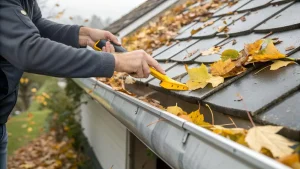
Keep Gutters Clean
Overflowing gutters create constantly damp roof edges where moss thrives.
Annual gutter maintenance helps reduce this issue considerably.
Monitor North Facing Roof Slopes
North facing sections usually regrow moss and algae first because they receive less sunlight and remain damp longer.
Remove Small Growth Early
Minor moss spots are much easier to control than fully established colonies.
Routine inspections help prevent large infestations from developing.
When to Call a Professional
Professional roof cleaning is recommended when:
- moss is visible from the ground
- lichen patches are spreading
- shingles appear lifted
- black roof streaks are widespread
- the roof is older than 10 years
- you are preparing to sell the home
The longer moss and lichen remain untreated, the greater the risk of permanent roof deterioration.
Frequently Asked Questions
Will Moss Return After Cleaning?
Eventually yes. Richmond’s humid climate naturally supports moss growth, and airborne spores constantly circulate throughout neighborhoods.
However, professional soft washing usually keeps roofs clean for 4 to 6 years before noticeable regrowth appears.
What If Moss Has Already Lifted Shingles?
Minor lifting can sometimes be corrected during inspection, but severely damaged shingles may require roofing repairs before cleaning.
Can I Just Spray Retail Moss Killer?
Retail products may temporarily reduce visible moss, but they rarely eliminate colonies completely at the root level.
Professional soft washing produces much longer lasting results.
Is the Cleaning Solution Safe for Plants Below the Roof?
Yes when applied properly.
We address plant, pet, and family safety in detail in our safety guide. Professional roof cleaning includes pre wetting and rinse down procedures that reduce landscaping risk significantly.
Can the Same Cleaning Process Remove Black Roof Streaks?
Yes.
The same soft washing method removes:
- moss
- lichen
- gloeocapsa magma
- roof algae
- black streaks on asphalt shingles
with only slight adjustments in solution strength and dwell time.
Bottom Line Moss and Lichen Need to Come Off
Moss and lichen are not just cosmetic roof issues. They actively damage asphalt shingles, trap moisture, loosen granules, and shorten roof lifespan over time.
Richmond’s climate makes biological roof growth extremely common, especially on shaded asphalt shingle roofs older than several years.
Fortunately, professional soft washing safely removes moss and lichen while protecting the roof itself.
If your roof already shows visible moss or lichen growth, request a free Richmond roof cleaning quote or reach out through the contact form.