

Most homeowners notice the big stuff. A crack in the driveway. Peeling paint on the trim. A shutter that’s come loose. But there’s a whole category of home exterior damage that happens slowly and stays out of sight until it becomes a real problem. It doesn’t announce itself. It just builds up, season after season, until one day you’re looking at repair costs that could have been avoided entirely.
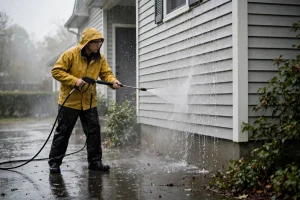
This is the kind of deterioration that happens between cleanings. And if you haven’t had your home’s exterior washed in a while, there’s a good chance some of it is already happening.
What’s Actually Happening to Your Exterior Right Now
The outside of your home is exposed to everything. Rain, heat, humidity, wind, pollen, tree debris, insects, and biological growth that takes hold in damp, shaded spots. Each of these things leaves something behind, and over time, that accumulation starts to break down the materials your home is made of.
Siding, concrete, wood, and brick are all durable, but none of them are immune to this kind of ongoing wear. The damage tends to be slow enough that it doesn’t register as urgent until it crosses a threshold, at which point cleaning alone may not fix it.
Discoloration That Isn’t Just Dirt
If your siding has green, black, or gray patches, that’s not just grime from rain splash. Green usually means algae. Black streaks are often mold or mildew. Gray is frequently a combination of both, mixed with oxidation on the surface material.
These organisms eat into paint and surface coatings over time. They retain moisture against the siding, which accelerates deterioration. What looks like a cosmetic issue on the surface is often doing structural damage underneath. This is one of the clearest signs of home exterior damage that homeowners tend to dismiss as normal aging.
Soft or Spongy Spots on Wood Surfaces
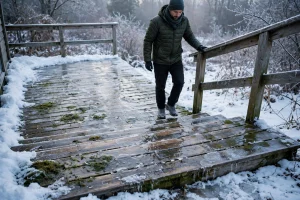
Decks and wooden trim that feel soft underfoot or when pressed are not just weathered. They’re rotting. Wood rot is almost always caused by prolonged moisture exposure, and organic growth on the surface is one of the main contributors. Once mold or algae gets established on wood, it holds water against the grain and breaks down the fibers from the outside in.
Catching this early means the surface can sometimes be cleaned, dried, and treated before the rot spreads. Catching it late means replacement.
Concrete That Won’t Come Clean with a Hose
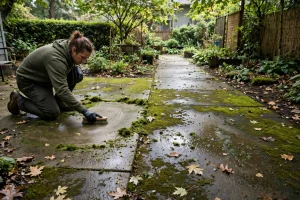
Fresh concrete stains wash away. Old ones don’t. Oil stains, rust, and biological growth that gets into the pores of concrete can become permanent if left long enough. The material itself is porous, and anything that soaks in and dries there will bond to the surface over time.
If your driveway or walkway has dark patches that the rain doesn’t touch, that’s home exterior damage that’s already progressed past the surface level. Power washing can still address it, but the longer it sits, the less likely the surface is to return to its original appearance.
The Seasonal Patterns That Speed Things Up
Spring & Summer
Pollen season in Virginia is intense. It coats every horizontal surface and works into gaps in siding, roofing, and trim. As temperatures rise and humidity climbs, this creates an ideal environment for mold and algae to take root. Growth that might take years in a dry climate can become established in a single season here.
Shaded areas of the house are especially vulnerable. North-facing walls that don’t get direct sun stay damp longer, and that moisture feeds organic growth continuously.
Fall & Winter
Leaves and debris collect in corners, gutters, and against the foundation. As they decompose, they release tannins and organic acids that stain surfaces and accelerate material breakdown. Freeze-thaw cycles crack concrete that has absorbed water. Any existing damage in siding or wood gets worse when moisture expands as it freezes.
By the time spring arrives, the home has gone through another full cycle of stress on every exterior surface.
The Costs of Waiting
Repairs vs. Cleaning
There’s a meaningful difference in cost between having your home’s exterior washed and having sections of it replaced. Siding replacement, concrete resurfacing, and deck rebuilds cost far more than routine maintenance cleaning. The reason most homeowners end up paying for repairs is not that they ignored obvious problems. It’s that the damage was gradual enough to seem like it could wait.
Home exterior damage doesn’t follow a schedule. It accumulates steadily and then crosses a point where the solution changes from cleaning to repair. Staying ahead of that threshold is what regular exterior washing does.
Curb Appeal & Property Value
Beyond the structural side, a home that looks worn down affects its value. Buyers notice exterior condition immediately. Appraisers factor it in. Even if you’re not planning to sell, a neglected exterior changes how the property reads from the street and how you feel about coming home to it.
How Often Exterior Washing Actually Needs to Happen
For most homes in Virginia, once a year is the baseline. Homes in heavily shaded lots, near water, or in areas with high tree coverage may need it more often. Concrete surfaces that deal with vehicle traffic or outdoor cooking tend to accumulate staining faster than other areas.
The goal is to clean before buildup has a chance to bond to the surface, not after. By the time discoloration is obvious from the street, the material underneath has already been dealing with it for a while.
Keeping up with exterior cleaning is one of those maintenance habits that quietly saves money over time. The results are visible the same day, and the protection they provide keeps working for the months that follow.