
If you’ve spotted dark patches on your siding or a fuzzy growth spreading across your deck boards, you’ve probably wondered what you’re actually looking at. Mold and mildew both show up on home exteriors and both cause problems, but they’re not the same thing and they don’t respond the same way to treatment. Knowing the difference matters when it comes to mold and mildew removal because the approach should match what you’re dealing with.
What Mold Actually Is
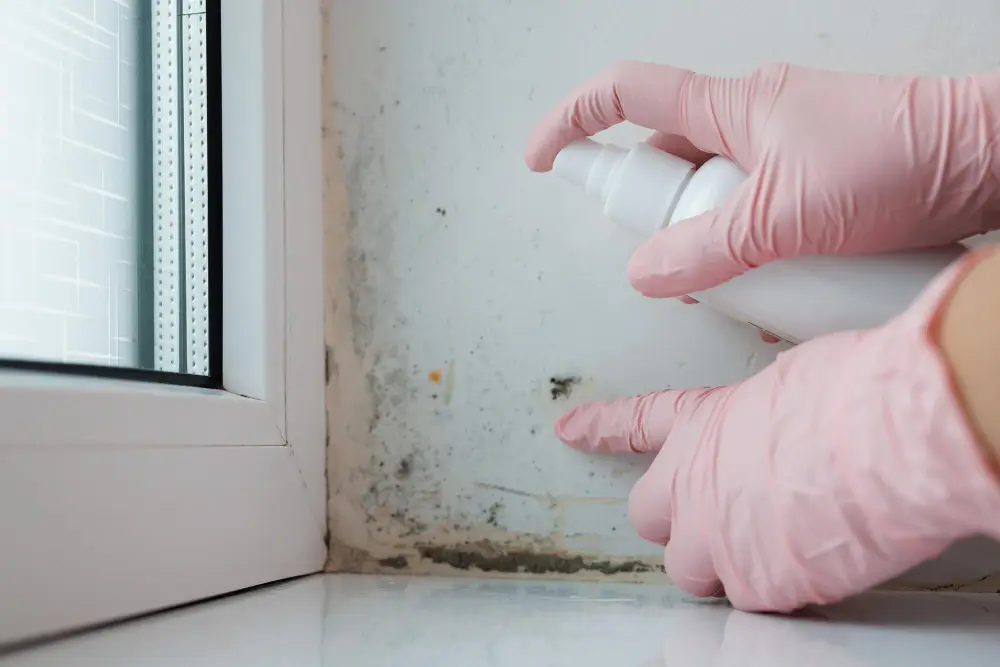
Mold is a type of fungus that grows in multicellular structures. It tends to appear in shades of black, green, or dark brown, and it spreads through spores that travel through the air and settle on surfaces where moisture is present. Once it takes hold, mold doesn’t just sit on the surface. It works its way into porous materials like wood, drywall, and grout over time.
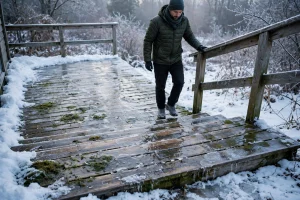
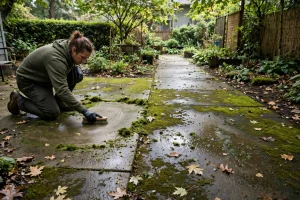
On a home’s exterior, mold shows up most often on siding, wood trim, decks, and in areas that don’t get much direct sunlight. The problem isn’t just how it looks. Mold actively breaks down the material it’s growing on. Wood deteriorates faster when mold is present. Paint begins to peel. Siding can warp or buckle if growth is left to spread across seasons. It’s not just a cosmetic issue. It’s a structural one.
What Mildew Is & How It Differs
Mildew is also a fungus, but it behaves differently. Rather than penetrating into materials, mildew stays on the surface. It typically appears as a flat, powdery growth that starts out white or gray before turning yellow or brown as it ages. You’ll find it in damp areas, on plant leaves, on bathroom tiles, and on exterior home surfaces that stay wet for extended periods.
Because mildew stays on top of a surface instead of growing into it, it’s generally easier to remove than mold. A cleaning solution applied to the surface can break it down without requiring aggressive pressure. That said, it still needs to be addressed. Left alone, mildew will spread as long as moisture and warmth are present, and in Richmond’s climate, those conditions exist for a large portion of the year.
Why Richmond Homes See a Lot of Both
Richmond’s climate creates exactly the conditions that mold and mildew need to grow. Hot summers, high humidity, and heavy pollen seasons keep surfaces damp for long periods. Shaded sides of a house don’t dry out quickly after rain. Tree cover limits airflow and keeps moisture sitting on siding and trim longer than it should.
North-facing walls tend to accumulate the most growth because they get the least sun throughout the day. Homes surrounded by trees see it on decks, fences, and along the roofline. Even concrete driveways and brick surfaces can develop algae and mildew growth, though the issue tends to be less aggressive on hard surfaces than it is on wood and siding.
Why Mold and Mildew Removal Requires the Right Method
This is where the process matters. Not every surface can handle the same treatment, and using the wrong method can cause more damage than the growth itself.
Soft Washing for Siding & Wood
High-pressure washing on vinyl siding or wood can force water behind panels and into gaps, creating the exact conditions that encourage more mold growth after the job is done. It can also split wood fibers or crack aging vinyl.
For mold and mildew on siding, wood, and surfaces that need careful handling, soft washing is the right method. Soft washing uses a low-pressure rinse combined with a cleaning solution that breaks down organic growth at the source. The solution does the actual work. Once the growth is neutralized, it rinses away without the need for force. This approach cleans the surface thoroughly without putting stress on the material.
Higher Pressure for Hard Surfaces
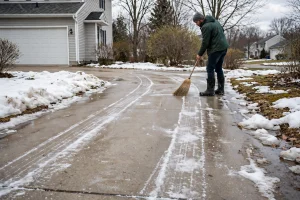
Concrete, brick, and pavers can handle more pressure safely. These surfaces don’t absorb water the same way wood does, so water intrusion is less of a concern. Running a pressure washer at the right PSI for the material will lift mold, mildew, algae, and staining without causing damage. The key is still matching the pressure to the surface rather than running the machine at full output on everything.
How Often Exterior Surfaces Should Be Cleaned
For most homes in the Richmond area, once a year is a solid baseline. Homes with heavy tree coverage, significant north-facing wall surfaces, or areas that stay consistently shaded may need attention more often. A visual check in spring, after pollen season clears, will usually tell you whether growth has started to build up over the winter and early spring months.
Decks and fences that sit under a tree canopy accumulate growth faster than open surfaces. If you’re seeing green or dark patches on siding, trim, or wood surfaces, mold and mildew removal is overdue.
The Difference Between Treating It & Slowing It Down
Cleaning removes what’s already there. What you do after cleaning influences how quickly it comes back.
Keeping gutters clear prevents water from overflowing and running down siding. Trimming branches back from the house allows more sunlight and airflow to reach wall surfaces. Making sure sprinkler heads aren’t hitting the exterior of the house directly reduces moisture exposure over time. None of these steps eliminate regrowth entirely, but they extend the time between cleanings and reduce the conditions that allow mold and mildew to get established quickly.
Getting exterior surfaces cleaned before mold and mildew have had multiple seasons to spread is always going to produce a better result than waiting. The sooner growth is addressed, the less material damage has occurred, and the cleaner and more thorough the removal will be.