
Almost every Richmond homeowner with an asphalt shingle roof eventually notices them: dark black streaks running down the roof, especially on north-facing slopes. Most people assume the stains are dirt, aging shingles, mold, or simple weathering. In reality, those black roof streaks are caused by a living organism called Gloeocapsa magma.
This roof algae bacteria feeds on modern asphalt shingles, spreads between homes through airborne spores, and slowly damages roofing materials over time. Left untreated, it can shorten roof lifespan, increase heat absorption, and make an otherwise healthy roof look prematurely old.
In this guide, we’ll explain:
- What Gloeocapsa magma actually is
- Why modern shingles are vulnerable
- How roof algae spreads
- The damage it causes
- Why soft washing is the safest removal method
- How to prevent black roof streaks from returning
If your roof already has visible streaking, professional roof cleaning in Richmond is the most effective long-term solution.
Table of Contents
- What Is Gloeocapsa Magma?
- Why Modern Shingles Are Vulnerable
- How Roof Algae Spreads
- Why Black Roof Streaks Are a Problem
- How to Remove Gloeocapsa Magma
- Why DIY Roof Cleaning Usually Fails
- Preventing Roof Algae Regrowth
- Roof Cleaning Costs vs Roof Replacement
- Frequently Asked Questions
What Is Gloeocapsa Magma?
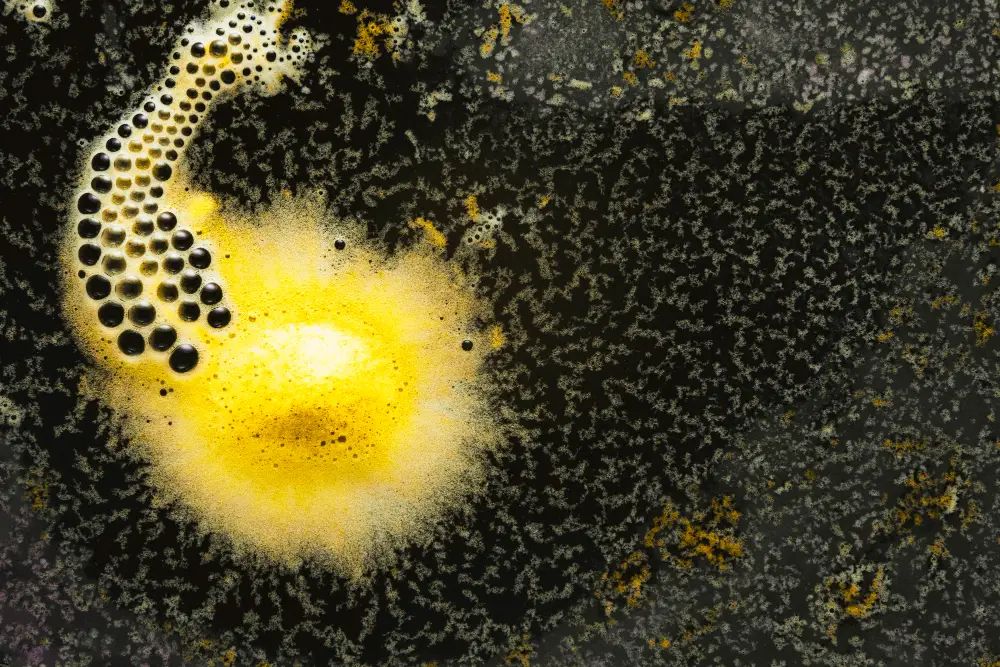
Gloeocapsa magma is a species of cyanobacteria — a microorganism that behaves like both bacteria and algae. Although homeowners often call it “roof algae,” it’s technically a photosynthetic bacteria that forms dark colonies on asphalt shingles.
Cyanobacteria have existed on Earth for billions of years and are responsible for producing much of the oxygen in the atmosphere. Gloeocapsa magma itself became widely recognized as a roofing problem during the 1990s, when black streaks on asphalt shingles became increasingly common across North America.
Individual cells are microscopic, but together they form the visible black stains and vertical streaks seen on roofs.
The dark coloration comes from a protective outer sheath the bacteria develops to shield itself from ultraviolet light. That protective coating acts like a natural sunscreen and allows the organism to survive:
- Extreme heat
- Freezing temperatures
- Drought
- Direct sunlight
- Heavy rainfall
The vertical streaking pattern happens because rainwater carries living bacterial cells downward across the roof. As water flows, the bacteria re-establishes itself in the same direction, creating the familiar black lines homeowners see on asphalt shingles.
Why Modern Shingles Are Vulnerable
One reason black roof streaks became dramatically more common is the way modern asphalt shingles are manufactured.
Older shingles produced before the 1980s primarily used inert sand or silica fillers. Modern shingles, however, commonly use crushed limestone as a filler material because it improves density while lowering manufacturing costs.
Unfortunately, Gloeocapsa magma feeds on limestone.
The bacteria uses the calcium carbonate in modern shingles as a nutrient source, meaning the roof itself effectively becomes food for the organism. This explains why newer roofs sometimes develop visible algae staining faster than older roofs nearby.
Many roofing manufacturers now produce algae-resistant shingles containing copper-infused granules designed to slow bacterial growth.
Major manufacturers such as GAF, Owens Corning, and CertainTeed offer algae-resistant products that release small amounts of copper during rainfall to inhibit bacterial colonization.
These shingles typically delay visible roof algae growth by approximately 5–10 years, but they do not permanently prevent it. Over time, the copper protection weakens and nearby untreated roofs continue spreading airborne spores throughout the neighborhood.
How Roof Algae Spreads
Gloeocapsa magma spreads through microscopic airborne spores carried by:
- Wind
- Rainwater
- Birds
- Tree debris
- Nearby roof colonies
Because the spores travel easily between homes, roof algae often spreads through entire neighborhoods within a few years.
Several environmental conditions accelerate growth significantly:
High Humidity
Richmond’s humid climate provides ideal conditions for bacterial growth and spore germination.
Shade and Moisture
North-facing roof sections stay wet longer after rain and morning dew, creating a perfect environment for algae establishment.
Heavy Tree Coverage
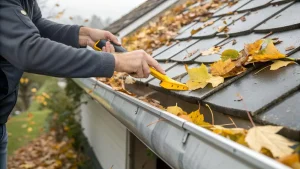
Overhanging trees increase shade, trap moisture, and drop organic debris onto the roof surface.
Nearby Colonized Roofs
Once neighboring homes develop black roof streaks, airborne spore levels rise dramatically throughout the area.
In Richmond, most non-treated asphalt roofs develop visible roof algae staining within 3–7 years of installation.
Why Black Roof Streaks Are a Problem
Many homeowners assume roof algae is purely cosmetic. In reality, Gloeocapsa magma creates several long-term problems.
1. Curb Appeal Damage
Black roof streaks make even newer homes appear neglected and poorly maintained. For homeowners planning to sell or refinance, roof discoloration is often one of the first exterior defects buyers notice.
2. Asphalt Shingle Deterioration
As bacterial colonies grow, they gradually loosen and displace protective shingle granules.
The colonies also trap moisture directly against the roofing surface, accelerating asphalt degradation and increasing wear over time. Untreated roof algae commonly shortens asphalt roof lifespan by 5–10 years.
3. Increased Heat Absorption
Dark roof staining absorbs significantly more solar heat than clean shingles of the same color.
Higher roof temperatures increase attic heat buildup, which can raise cooling costs during Richmond summers. Many homeowners notice improved energy efficiency after professional roof cleaning removes the dark bacterial colonies.
How to Remove Gloeocapsa Magma
The safest and most effective way to remove Gloeocapsa magma is professional roof soft washing.
Soft washing uses a sodium-hypochlorite-based cleaning solution applied at very low pressure to kill the bacteria at the cellular level.
Unlike pressure washing, soft washing does not rely on force to blast contaminants off the roof surface.
Instead, it:
- Penetrates porous shingles
- Eliminates bacterial colonies completely
- Removes spores at the root level
- Prevents rapid regrowth
The dead algae gradually breaks down and rinses away naturally over the following days and weeks.
Why Soft Washing Works Better Than Pressure Washing
Chemical Elimination
Soft washing kills the bacteria itself rather than simply removing visible staining.
Low Pressure Application
Professional roof soft washing is typically performed under 100 PSI, preventing granule loss and protecting shingle warranties.
Longer-Lasting Results
Because the organism is killed at the cellular level, results commonly last 4–6 years before visible regrowth appears.
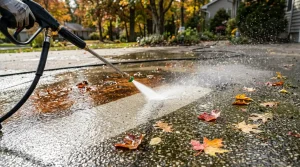
Pressure washing, by contrast, often damages shingles while leaving spores embedded within the roofing surface. Regrowth frequently returns within 6–12 months.
Does Roof Cleaning Void Shingle Warranties?
Improper roof cleaning absolutely can void roofing warranties.
Most major shingle manufacturers specifically warn against high-pressure washing because it strips away protective granules and accelerates roof deterioration.
However, manufacturer-approved soft washing methods are widely accepted when performed correctly at low pressure using proper cleaning solutions.
This is one reason professional soft washing has become the industry standard for removing black roof streaks safely.
Why DIY Roof Cleaning Usually Fails
Many store-bought roof algae cleaners contain similar active ingredients as professional solutions, but at much weaker concentrations.
The result is usually temporary cosmetic improvement followed by regrowth within several months.
DIY roof cleaning also creates several practical problems:
Safety Risks
Roof falls remain one of the leading causes of home-maintenance injuries and fatalities.
Uneven Cleaning
Hand-pump sprayers rarely achieve even chemical coverage across large roofing surfaces.
Landscape Damage
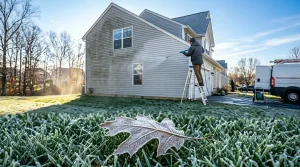
Improper runoff management can damage nearby landscaping, grass, and plants.
Professional roof cleaning companies systematically pre-wet and rinse surrounding vegetation to prevent chemical damage.
Preventing Roof Algae From Returning
While no roof remains permanently algae-free, several strategies significantly slow regrowth.
Install Zinc or Copper Strips
Metal strips installed near the roof ridge release ions during rainfall that suppress bacterial growth on shingles below.
These systems commonly extend the time between cleanings.
Trim Overhanging Trees
Keeping branches 4–6 feet away from the roof reduces:
- Shade
- Moisture retention
- Organic debris accumulation
All three factors slow algae growth significantly.
Choose Algae-Resistant Shingles
At roof replacement time, algae-resistant shingles are usually worth the modest additional cost.
These shingles delay visible streak formation considerably longer than untreated products.
Schedule Routine Roof Cleaning
For most Richmond homes, professional soft washing every 3–5 years provides the best long-term balance between appearance, protection, and maintenance cost.
Roof Cleaning Costs vs Roof Replacement
For most homeowners, routine roof cleaning is dramatically cheaper than premature roof replacement.
Typical Richmond cost ranges include:
- Professional roof cleaning: approximately $350–$900
- Zinc strip installation: approximately $300–$800
- Algae-resistant shingles: typically 5–15% more than standard shingles
Compared to premature roof replacement costs ranging from $10,000–$25,000+, preventative maintenance is extremely cost-effective.
Can Insurance Cover Roof Cleaning?
Most homeowners insurance policies do not cover routine roof cleaning because algae growth is considered a maintenance issue rather than sudden damage.
However, some policies may partially cover roof-related repairs if prolonged algae growth contributes to documented structural damage.
Homeowners should always review their individual policy details before assuming coverage.
Frequently Asked Questions
Is Gloeocapsa magma harmful to people or pets?
No. Gloeocapsa magma is not dangerous to humans or animals. The primary concern is damage to roofing materials and reduced curb appeal.
Why are black roof streaks always vertical?
Rainwater carries living bacterial cells downward across the roof surface. The bacteria then re-establishes itself along the water path, creating vertical streak patterns.
My roof is only five years old. Why does it already have algae?
Richmond’s humidity and tree coverage create ideal growing conditions. Even algae-resistant shingles commonly develop visible staining within 3–7 years.
Can roof algae spread to siding or concrete?
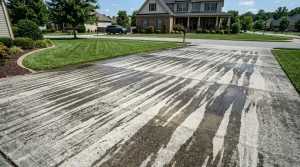
Yes. Similar bacterial growth often appears on siding, fences, patios, and driveways as green-black staining.
Will roof cleaning produce immediate results?
Yes. Most homeowners notice dramatic visual improvement within 24 hours of professional soft washing. Moss and lichen may continue breaking down over several weeks after treatment.
Bottom Line on Gloeocapsa Magma
Those black streaks on your roof are not just dirt — they’re a living bacterial colony actively feeding on your shingles.
Professional soft washing safely removes Gloeocapsa magma, restores curb appeal, extends roof lifespan, and prevents costly premature replacement.
For Richmond homeowners, routine roof cleaning is one of the most cost-effective forms of exterior home maintenance available.